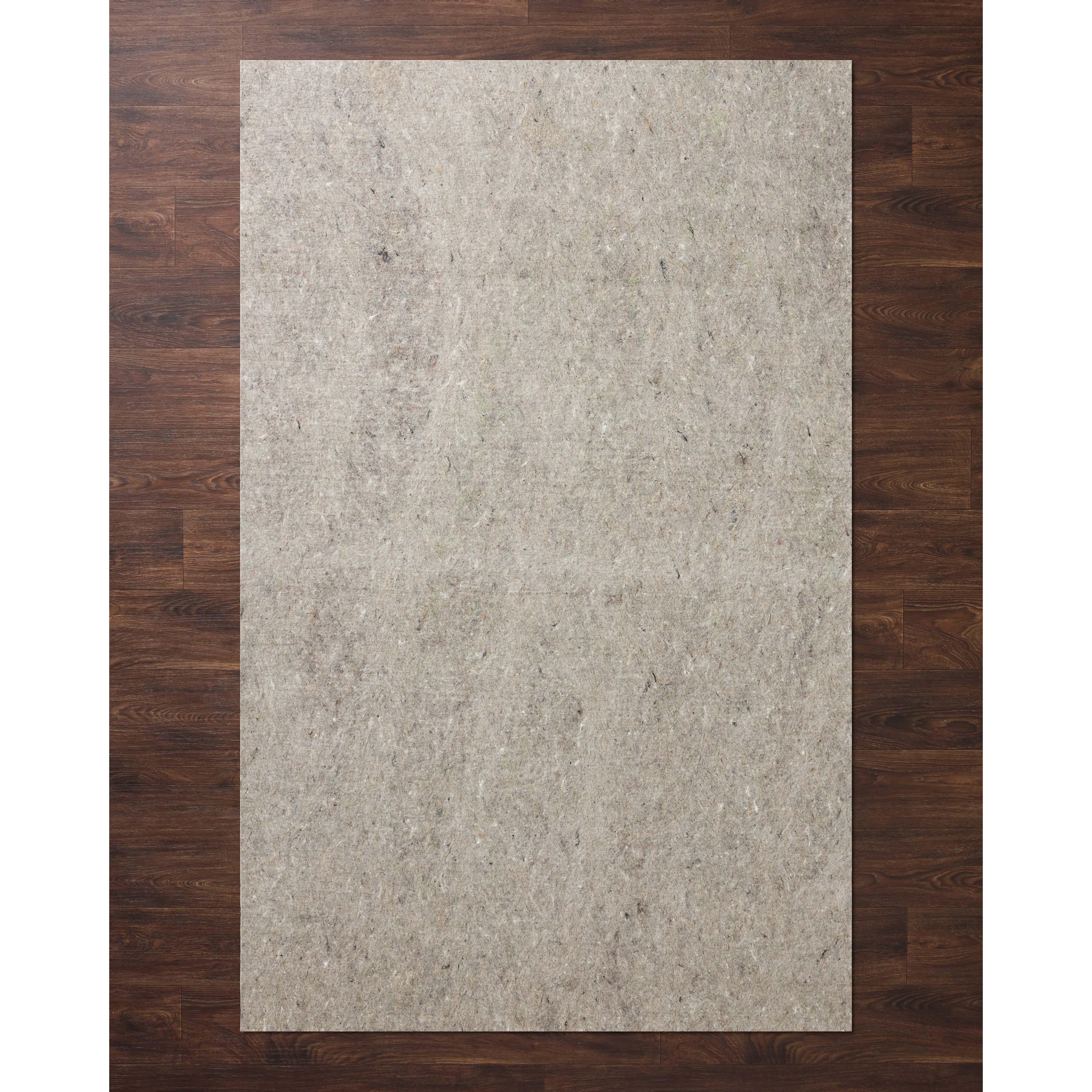
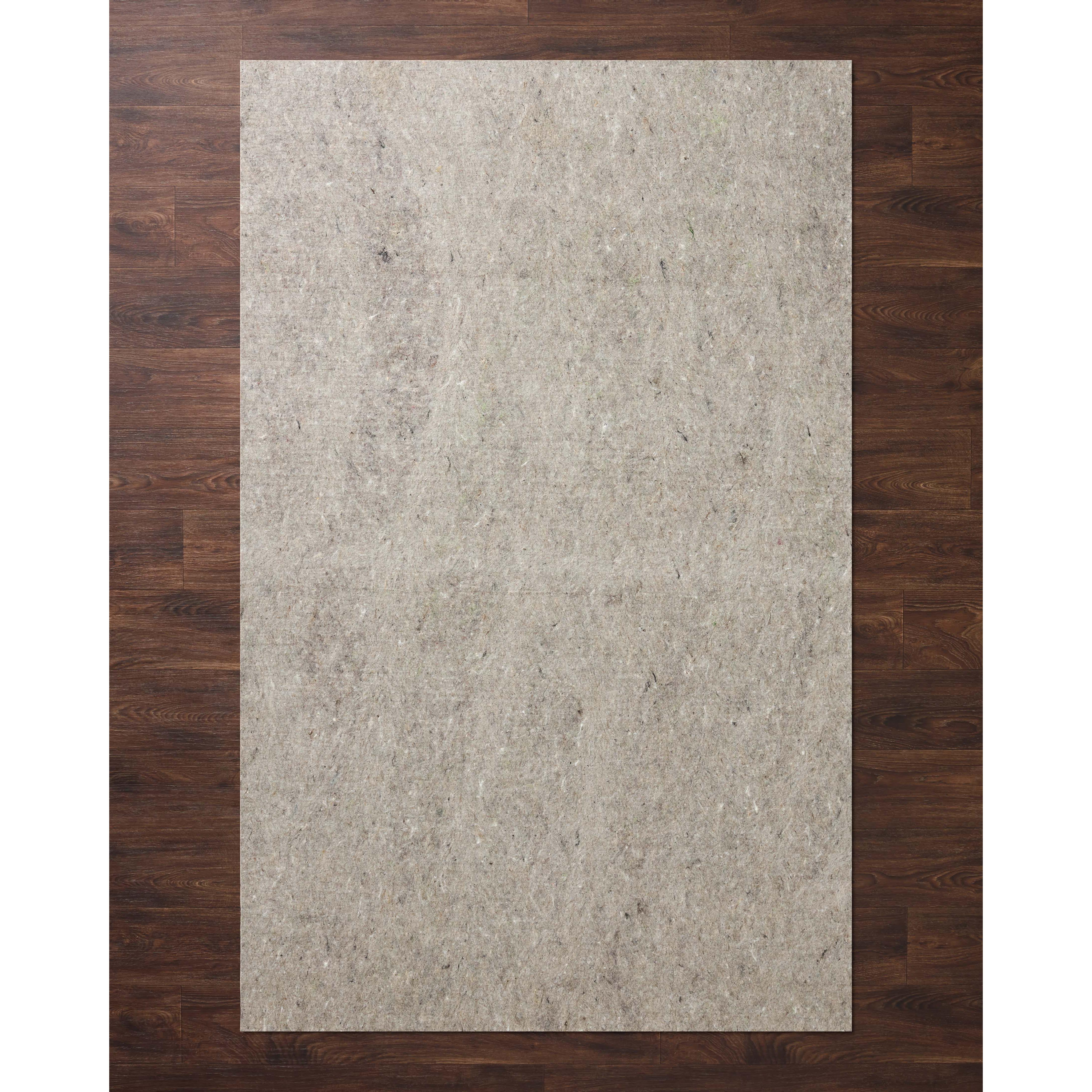
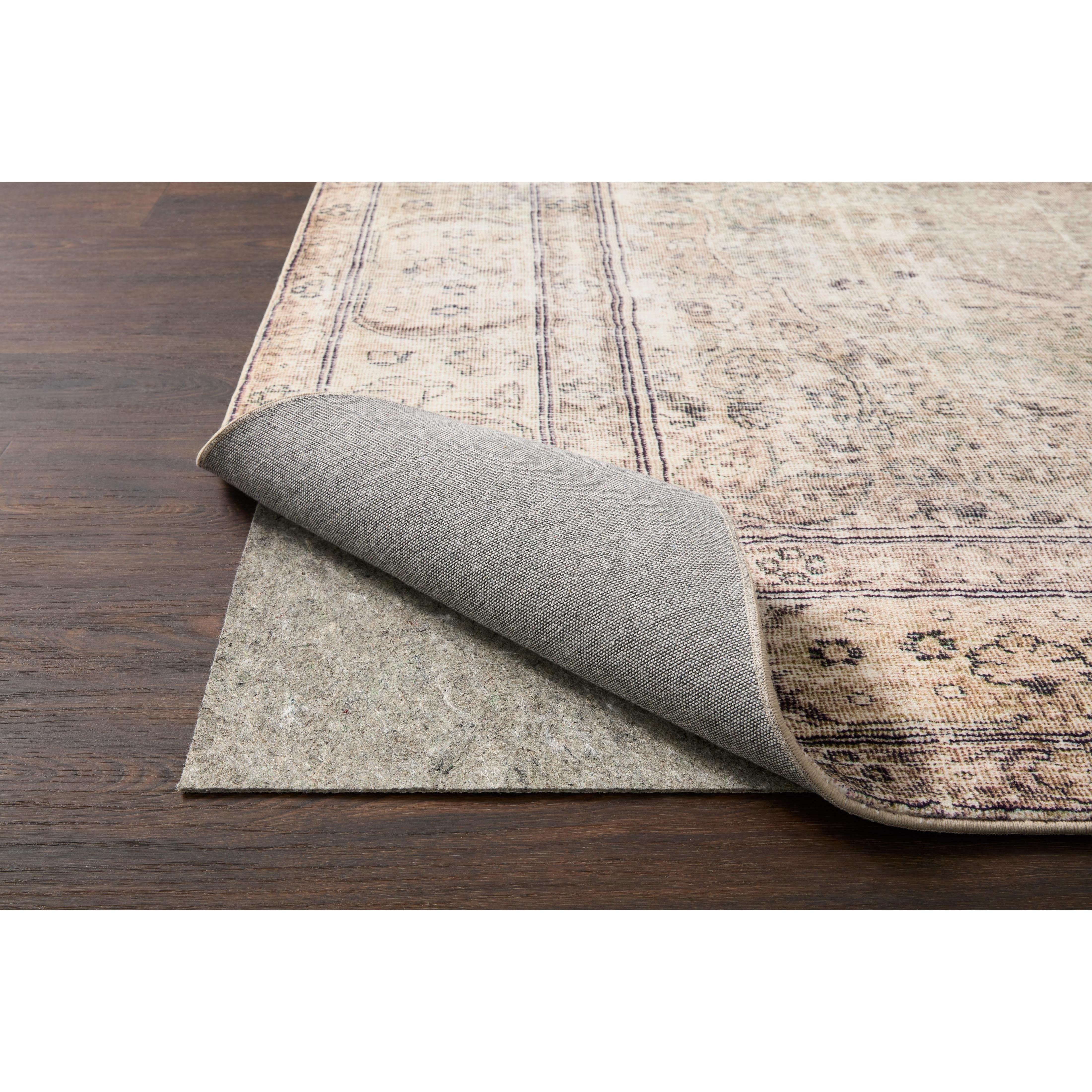
5' × 8'152 × 244 cm
152 × 244 cm5' × 8'
Best for
Small sitting areas, or centred under a coffee table with all furniture off the rug.
Room size
Up to 10' × 12'Up to 3 × 3.7 m
Great rooms begin from the ground up. Select your room to see which sizes work, where to place them, and how much floor to leave around the edges.
Select your room:
Anchor the rug to your seating, not to the middle of the floor. The goal is one connected grouping where the sofa and chairs share the same rug.
Place the rug under the lower two-thirds of the bed, leaving the nightstands on bare floor, so you step onto something soft on either side.
Chairs should stay on the rug even when they’re pulled out. Measure your table, then add pull-out room on every side.
A runner should frame the floor, not fill it. Leave an even strip of floor along both sides and stop short at each end.
Entry rugs take the most traffic in the house. Keep them clear of the door swing and scaled to the foyer, not the whole floor.
Treat a patio like a room: define the seating or dining zone with the rug and follow the same placement rules as indoors.
See how our most popular rug sizes come together in real rooms, for a better sense of scale, placement, and proportion.
Quick answers to the questions we hear most. Still unsure? Our team is happy to help, and yes, they're real humans.
For most living rooms, an 8' x 10' rug is a versatile choice, with enough room for the front legs of your sofa and accent chairs to sit on the rug. For larger living rooms or spacious seating areas, a 9' x 12' rug can create a more generous, grounded look. Smaller spaces may work well with a 6' x 9' rug, depending on your furniture layout.
For most living rooms, a 244 x 305 cm rug is a versatile choice, with enough room for the front legs of your sofa and accent chairs to sit on the rug. For larger living rooms or spacious seating areas, a 274 x 366 cm rug can create a more generous, grounded look. Smaller spaces may work well with a 183 x 274 cm rug, depending on your furniture layout.
Ideally, at least the front legs of your sofa and chairs should sit on the rug. This helps define the seating area and makes the room feel more cohesive. In larger spaces, all furniture can sit fully on the rug, while smaller rooms may use a front-legs-only arrangement.
As a general rule, leave approximately 12 to 24 inches of exposed floor between the edge of your area rug and the walls. In smaller rooms, less space may work well. For hallway runners, leaving around 4 to 6 inches of flooring on each side usually creates a balanced look.
As a general rule, leave approximately 30 to 60 cm of exposed floor between the edge of your area rug and the walls. In smaller rooms, less space may work well. For hallway runners, leaving around 10 to 15 cm of flooring on each side usually creates a balanced look.
In most cases, yes. A slightly larger rug tends to make a room feel more intentional and spacious, while a rug that is too small can make furniture feel disconnected. If you are unsure, use painter’s tape to mark both rug dimensions on the floor before choosing.
An 8' x 10' rug is one of the most popular rug sizes for a queen bed. Position it beneath the lower two-thirds of the bed so the rug extends beyond both sides and the foot of the bed, creating a comfortable landing area.
A 244 x 305 cm rug is one of the most popular rug sizes for a queen bed. Position it beneath the lower two-thirds of the bed so the rug extends beyond both sides and the foot of the bed, creating a comfortable landing area.
A 9' x 12' rug typically works well under a king bed, providing enough coverage around the sides and foot of the bed. Larger bedrooms may also accommodate a 10' x 14' rug for a more expansive look.
A 274 x 366 cm rug typically works well under a king bed, providing enough coverage around the sides and foot of the bed. Larger bedrooms may also accommodate a 305 x 427 cm rug for a more expansive look.
Rug sizes are generally listed as nominal dimensions and may vary slightly from the measurements shown. This is especially common with handmade, hand-knotted, or handwoven rugs. Always review the individual product dimensions before ordering.
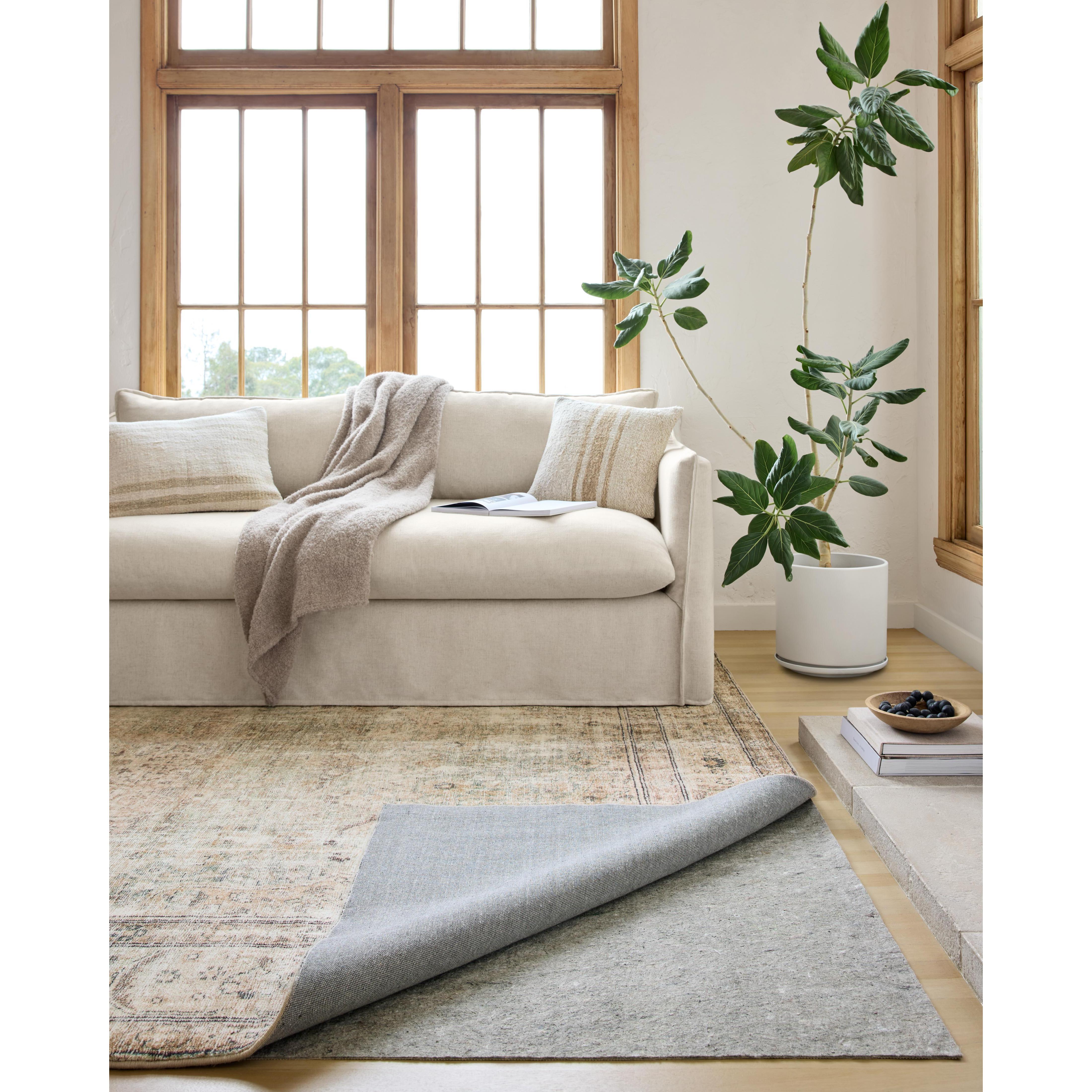
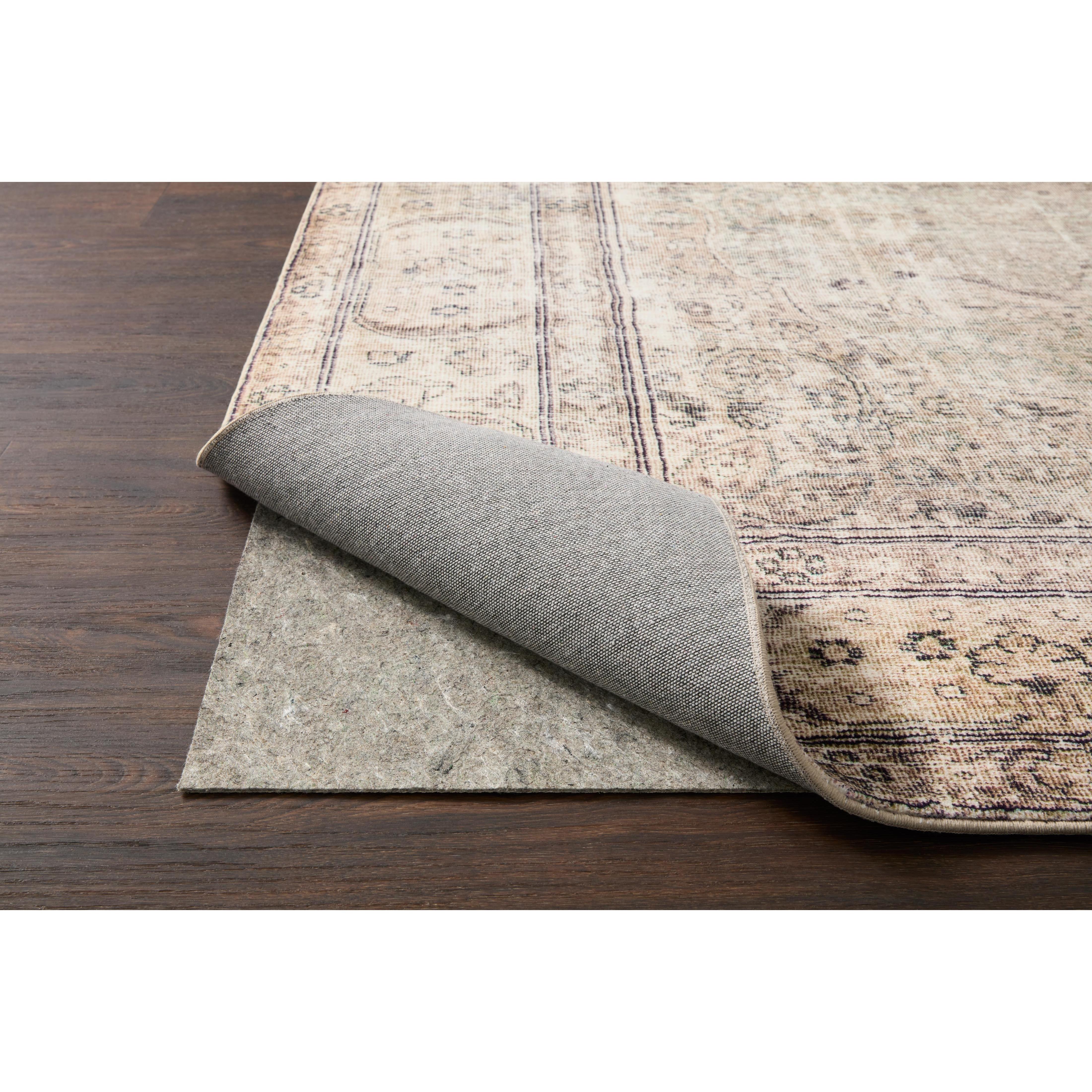
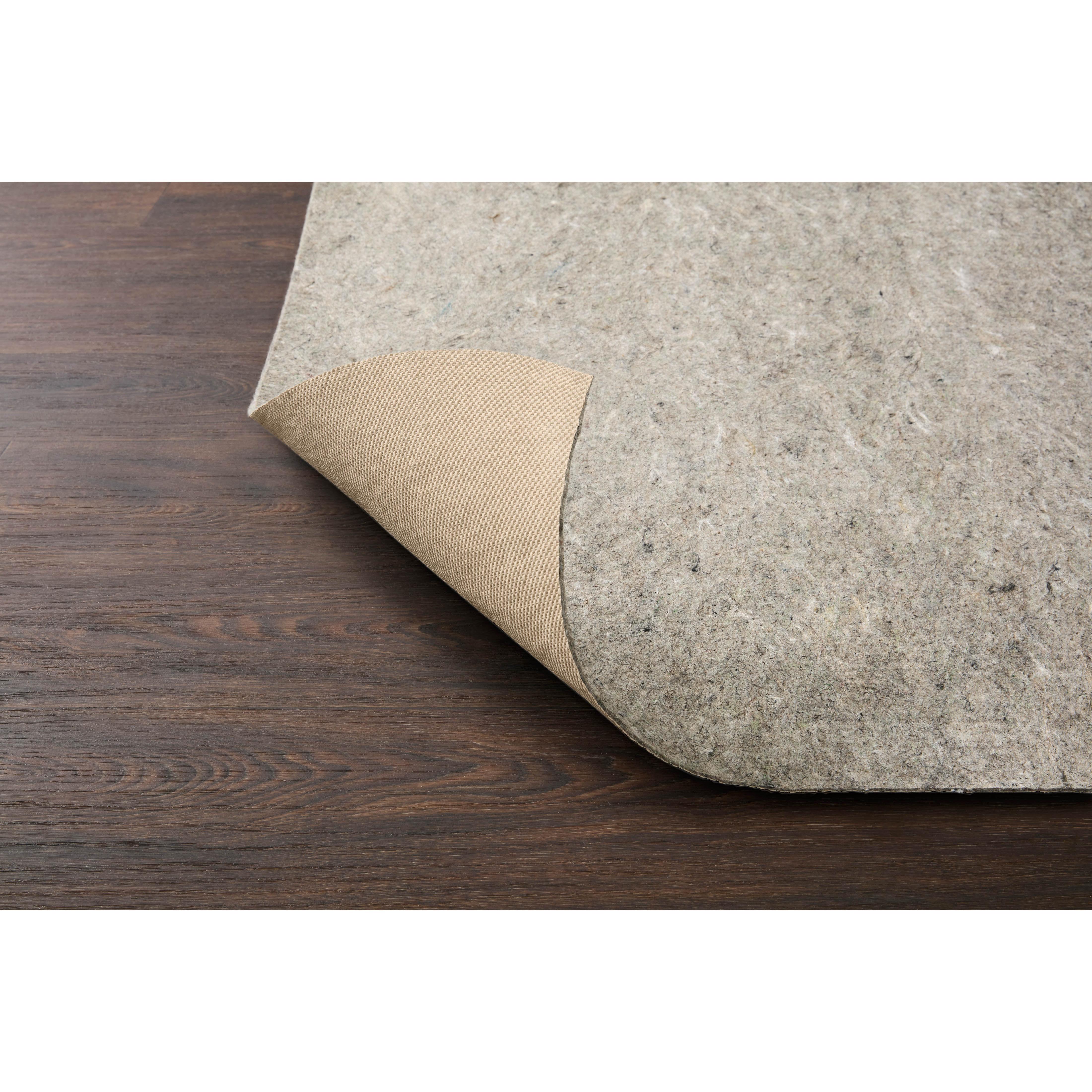
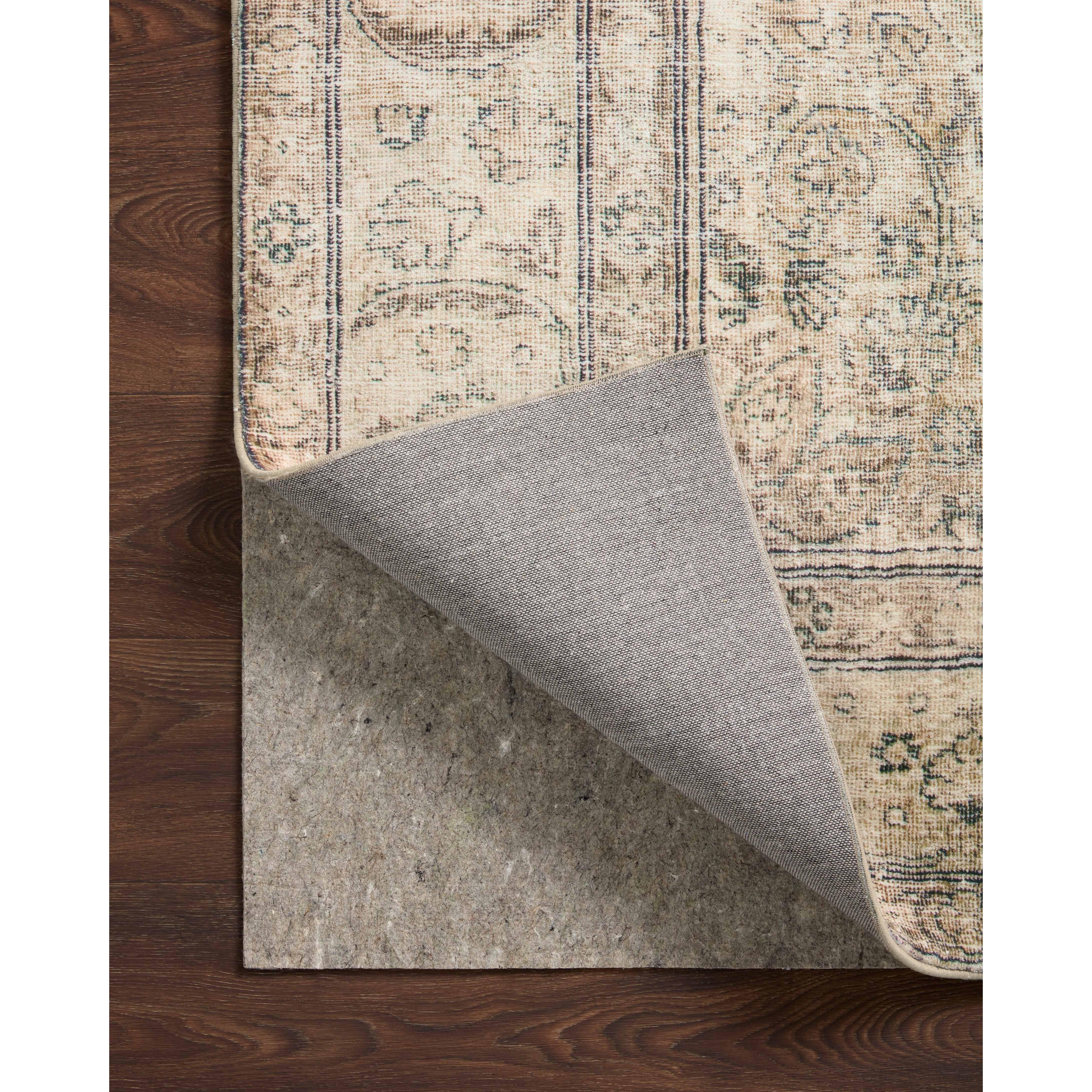
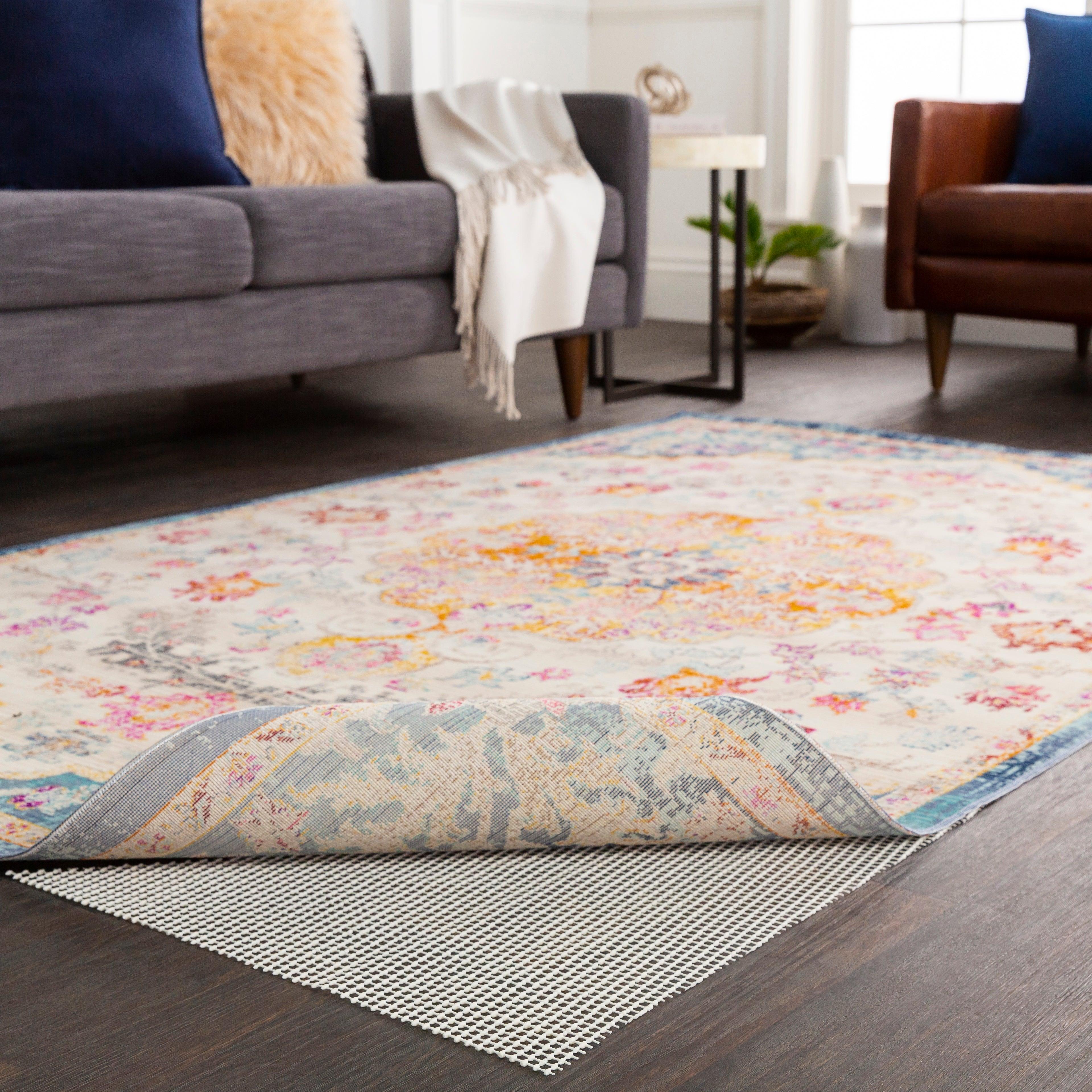
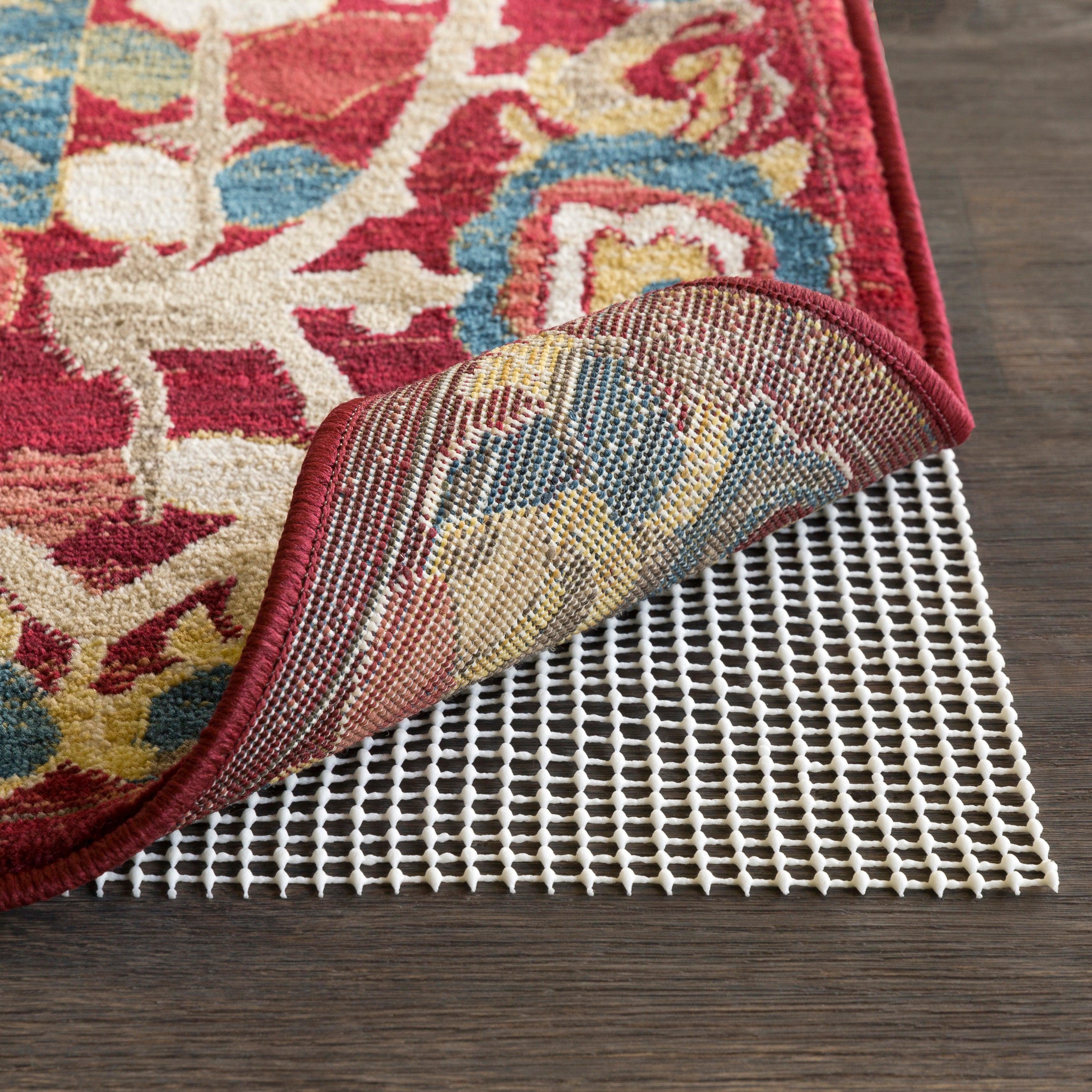
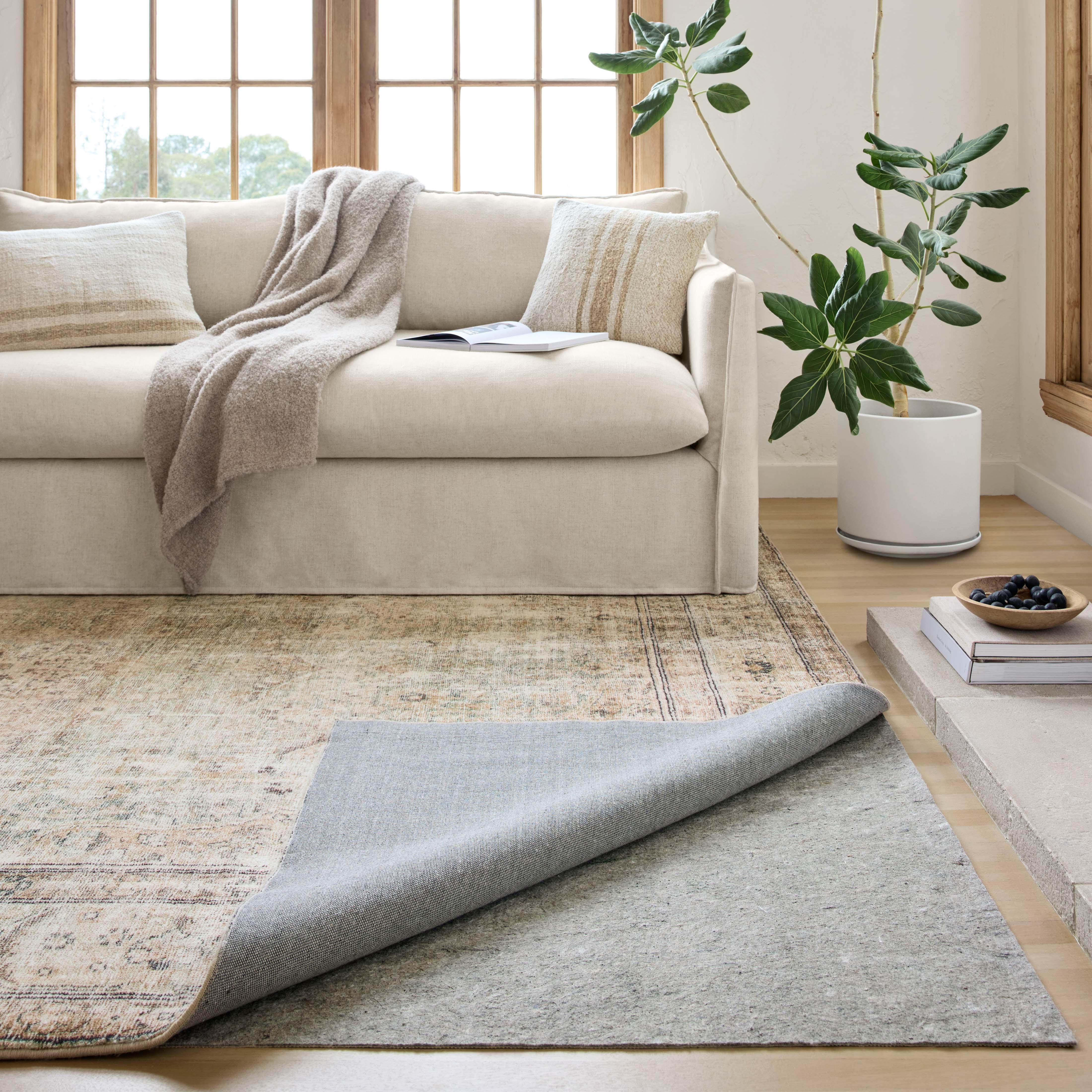
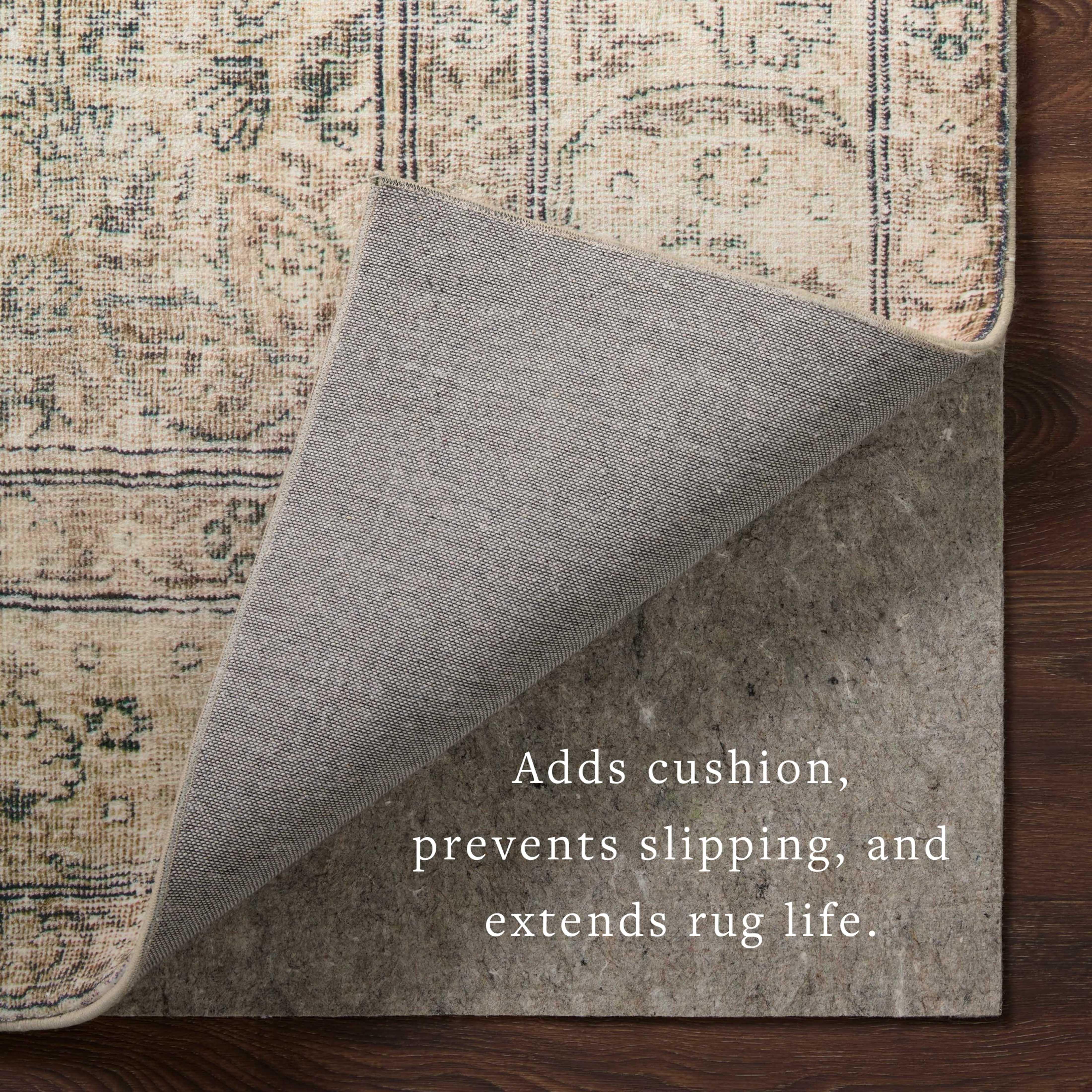
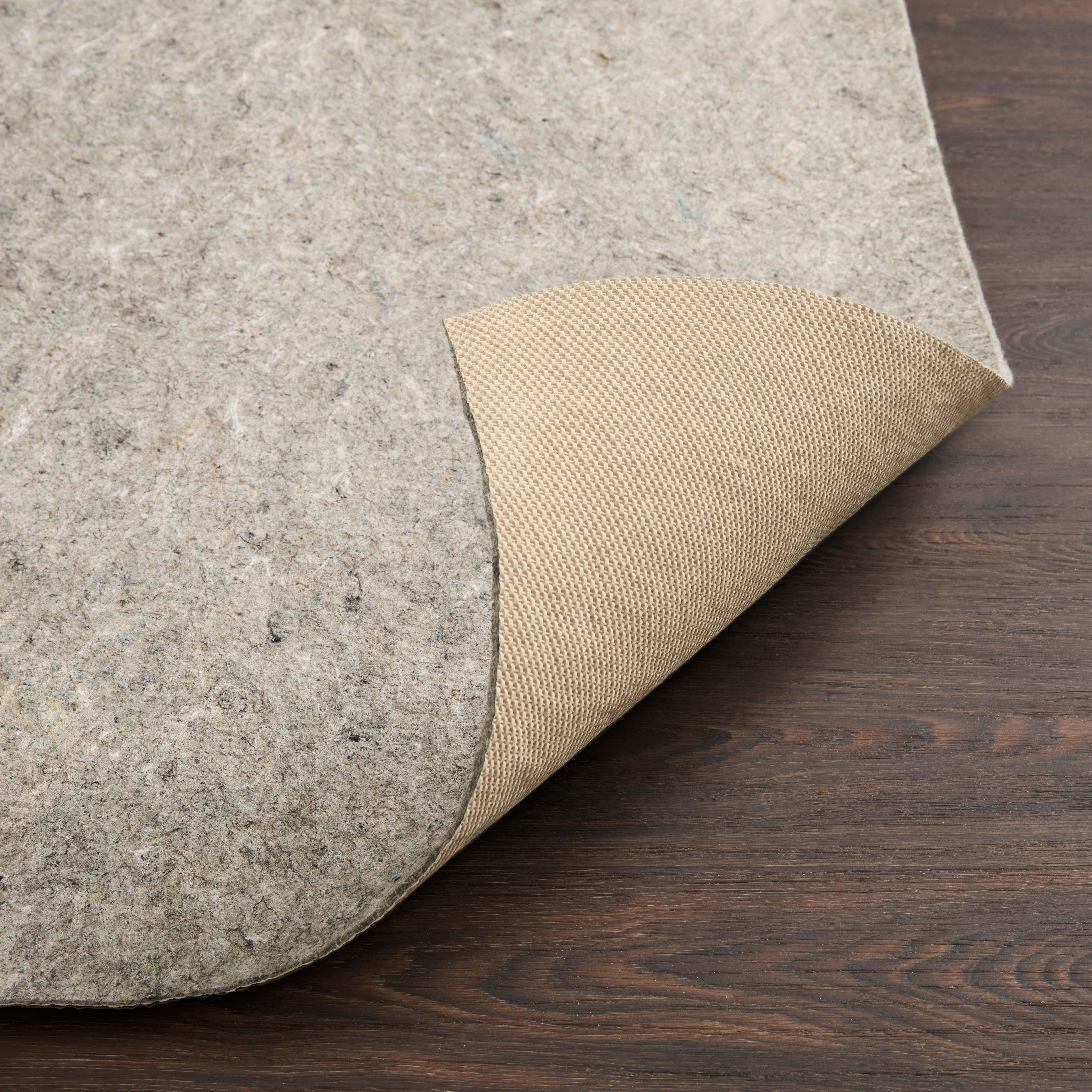
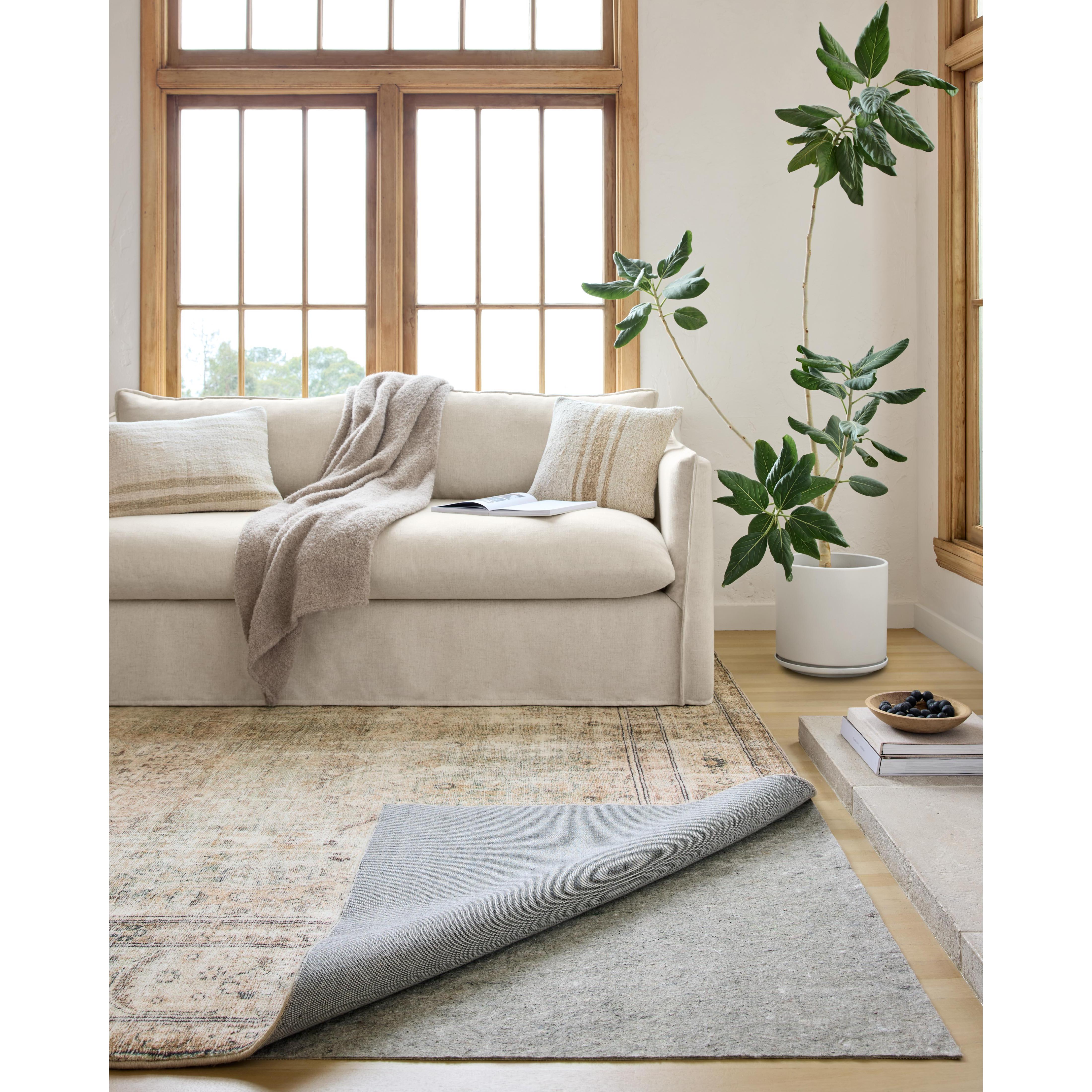
Choose a rug pad that is approximately 1 inch smaller than your rug on every side. This keeps the rug pad hidden while helping prevent slipping, adding cushioning, and protecting your flooring.
Choose a rug pad that is approximately 2.5 cm smaller than your rug on every side. This keeps the rug pad hidden while helping prevent slipping, adding cushioning, and protecting your flooring.
Yes. Rug samples allow you to see the colour, texture, material, and pattern in your own space before selecting a full-size rug. Browse all of our rug samples here.
If your rug does not work with your space, review our return policy for eligibility, timelines, and return instructions. We recommend measuring your room and furniture placement before ordering to help determine the best rug size. For questions, please review our Return Policy or get in touch with us.
Choose a rug large enough for the dining chairs to remain on the rug even when they are pulled away from the table. As a general rule, allow approximately 24 inches of rug beyond each side of the table.
Choose a rug large enough for the dining chairs to remain on the rug even when they are pulled away from the table. As a general rule, allow approximately 60 cm of rug beyond each side of the table.
For many six-seat dining tables, an 8' x 10' rug works well, although the ideal size depends on the dimensions and shape of your table.
For many six-seat dining tables, a 244 x 305 cm rug works well, although the ideal size depends on the dimensions and shape of your table.
Measure the length and width of the space, then consider the dimensions and placement of your furniture. Use painter’s tape to outline the rug size on the floor before ordering to see how it will fit.
Yes. A rug should define the space without covering nearly the entire floor. Leaving a visible border of flooring around the rug helps create balance and gives the room a more intentional look.
 Rug Materials GuideLearn about wool, jute, synthetic fibres, and how to choose the right material for your space.Learn more
 Rug Inspiration & AdviceExplore styling ideas, buying tips, rug trends, and practical advice for every room.Read the Blog
 Trade ProgramDedicated support and exclusive pricing for designers and other trade professionals.Learn more