It’s surprisingly easy to damage a beautiful jute rug with the best of intentions. Many people make the mistake of treating it like a standard synthetic carpet, reaching for harsh chemical cleaners or using a vacuum with an aggressive beater bar. Because jute is a natural plant fiber, these common cleaning methods can cause fraying, browning, and irreversible damage. Before you tackle any dust or spills, it’s crucial to understand what this material needs. This guide will show you the right way to care for your rug, helping you avoid those costly errors. We’re covering how to clean a jute area rug safely and effectively to preserve its natural texture and color.
Key Takeaways
- Moisture is the Enemy: Jute is a natural fiber that absorbs liquid easily. Keep your rug in dry areas like living rooms and bedrooms, and always blot spills immediately to prevent staining and mildew.
- Vacuum with Suction Only: The spinning brush (beater bar) on your vacuum can snag and fray the rug's delicate weave. Use a suction-only setting or an upholstery attachment for routine cleaning.
- Stick to Simple Cleaners: Skip the harsh chemicals. For most spots, a 50/50 mix of white vinegar and water or a little mild dish soap will do the trick. Always test a hidden spot first and dry the area completely.
What to Know About Your Jute Rug
Jute rugs bring a wonderful, earthy texture to any room, but their natural charm comes with a unique set of care instructions. Unlike synthetic rugs, jute is a plant-based material that behaves a lot like other natural fibers—think wood or cotton. Understanding its specific needs is the first step to keeping it looking fresh and beautiful for years. Before you even think about cleaning, it’s helpful to know a bit about the material itself, where it thrives in your home, and how to tell when it needs a little attention. This knowledge will make your cleaning routine much more effective and prevent common mistakes that can damage the rug’s delicate fibers.
The Beauty of Natural Fibers
One of the best things about jute is that it’s a natural, sustainable material. These beautiful area rugs are woven from the fibers of the jute plant, giving them their signature golden-brown hue and chunky texture. But being all-natural means they are highly absorbent. Think of your jute rug like a sponge—it soaks up moisture quickly. While this isn't an issue in a dry environment, it means spills need to be handled immediately to prevent the liquid from setting deep into the fibers, which can lead to staining, discoloration, or even mildew. This absorbency is the main reason why the cleaning methods for jute are so different from those for synthetic or wool rugs.
Where to Place Your Jute Rug
Because jute and water don’t mix, location is everything. You’ll want to place your jute rug in a dry area of your home where it’s safe from moisture and humidity. Living rooms, bedrooms, and home offices are perfect spots where it can add warmth and texture without the risk of water damage. On the other hand, you should avoid using jute rugs in bathrooms, kitchens, basements, or entryways where spills, humidity, or wet shoes are common. If you love the natural look but need something for a more spill-prone area, consider a durable and easy-to-clean washable rug as a practical alternative for those high-traffic, high-moisture zones.
Signs It’s Time for a Clean
Staying on top of cleaning will keep your jute rug in great shape. For routine care, you’ll know it’s time for a vacuum when you see dust or debris settling on the surface. A weekly vacuum with a suction-only attachment is usually enough to keep it fresh and prevent dirt from getting ground into the fibers. For spills and stains, the sign is obvious—and you need to act fast. The moment a spill happens, it’s time to clean. Don’t wait for it to dry. Other signs your rug needs attention include a dull or faded appearance or a gritty texture underfoot. Catching these things early makes cleaning much easier and more effective.
Gather Your Cleaning Supplies
Before you tackle any dust or spills, it’s a good idea to have your cleaning kit ready to go. The good news is that you don’t need a cabinet full of expensive, specialized products to care for your jute rug. Because jute is a natural fiber, a simple and gentle approach is always best. Having these basic items on hand will ensure you can act quickly and effectively, keeping your beautiful rug looking its best.
Essential Tools for the Job
Your vacuum is your most important tool for jute rug maintenance. Regular vacuuming removes the dirt and debris that can get trapped deep within the rug’s weave. However, it's crucial to use a suction-only setting. A vacuum with a beater bar or rotating brush can be too aggressive, causing the natural fibers to pull, fray, or break down over time.
Beyond your vacuum, you’ll only need a few simple things: a couple of clean, white cloths for blotting spills, a soft-bristled brush (an old toothbrush works perfectly for small spots), and a small bowl for mixing your cleaning solution. That’s it!
Safe Cleaning Solutions to Use
When it comes to cleaning solutions for natural fiber area rugs, less is always more. The most important thing to remember is to act fast. If a spill happens, your first move should be to blot the area immediately with a clean, dry cloth. Press firmly to absorb as much of the liquid as possible, working from the outside of the spill inward to prevent it from spreading. For many minor mishaps, this quick blotting action is all you’ll need to do. Never rub a spill, as this can push the liquid deeper into the fibers and make the stain worse.
DIY Natural Cleaners
For spots that need a little more attention after blotting, a simple homemade cleaner is your best bet. Create a gentle solution by mixing a few drops of clear, mild dish soap with a bowl of lukewarm water. You want just enough soap to create a few suds, but not so much that it leaves a residue.
Another effective option is a solution of equal parts white vinegar and water. This works well for neutralizing odors and tackling many common household stains. Before applying any cleaning solution to your rug, always test it on a small, hidden area first—like a corner that’s usually under furniture—to ensure it doesn’t cause any discoloration.
What Cleaners to Avoid
Jute and water are not friends. It’s essential to avoid any cleaning method that involves saturating the rug. This means you should never steam clean, use a wet shampooer, or hose down your jute rug. Too much moisture can cause the natural fibers to release tannins, leading to browning and water stains that are very difficult to remove. It can also weaken the fibers and encourage mildew growth.
Steer clear of harsh chemical cleaners, bleach, and all-purpose carpet stain removers. These products are too abrasive for delicate jute fibers. If you love the natural look but need a low-maintenance option for high-traffic or spill-prone areas, consider exploring washable rugs for those spaces instead.
Your Go-To Maintenance Routine
Keeping your jute rug looking fresh and beautiful doesn't require a ton of effort. It’s all about consistency. A simple, go-to maintenance routine will prevent dirt from building up and keep the natural fibers strong for years to come. Think of it as a little weekly TLC that pays off in a big way. By following a few key steps for vacuuming, rotating, and protecting your rug, you can handle everyday wear and tear with ease and keep your space looking exactly as you envisioned.
How to Vacuum a Jute Rug Correctly
Regular vacuuming is your best friend when it comes to jute rug care. It removes the daily accumulation of dust, dirt, and crumbs before they have a chance to get ground into the natural fibers. Aim to vacuum your rug one to two times a week, or more often in high-traffic areas. The key is to do it correctly. Use a suction-only vacuum or turn off the beater bar on your machine. A spinning brush can be too aggressive for the woven texture, causing it to fray or pull. Just a simple, gentle pass with strong suction is all you need to keep your area rugs looking clean and well-kept.
Rotate Your Rug and Protect it From the Sun
To ensure your jute rug wears evenly, give it a 180-degree turn every six months or so. This simple step helps distribute the effects of foot traffic and furniture weight, preventing one area from looking worn out while another looks brand new. It’s also a good idea to be mindful of sunlight. The natural fibers in jute can fade with prolonged exposure to direct sun. If your rug is in a sunny spot, consider using blinds or curtains during the brightest parts of the day. On the flip side, a little sun can be a good thing—hanging your rug outside for a few hours can help air it out and remove any lingering odors.
Simple Steps for Preventive Care
Beyond vacuuming, a few preventive habits will make all the difference. For general upkeep, regular vacuuming and immediate spot cleaning are usually all you need. If you have a smaller rug, taking it outside for a good shake every few months can dislodge any deeper dirt your vacuum might have missed. While daily care is simple, it’s a good idea to plan for a more thorough cleaning every 12 to 18 months to remove accumulated grime. This doesn't mean you need to do a full deep clean yourself, but it's a good time to assess if it needs professional attention. Unlike durable washable rugs, jute requires a gentler approach.
Why You Need a Rug Pad
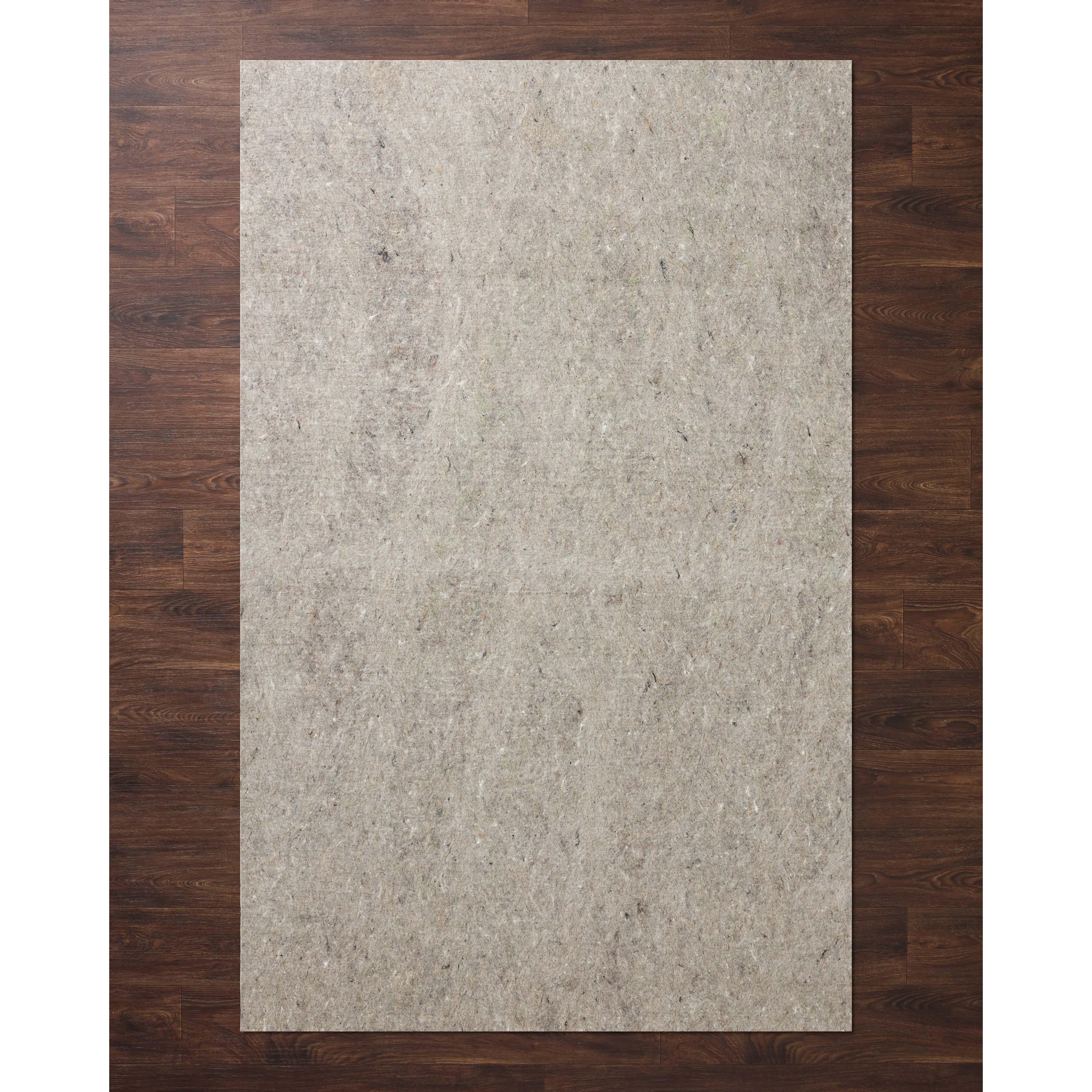
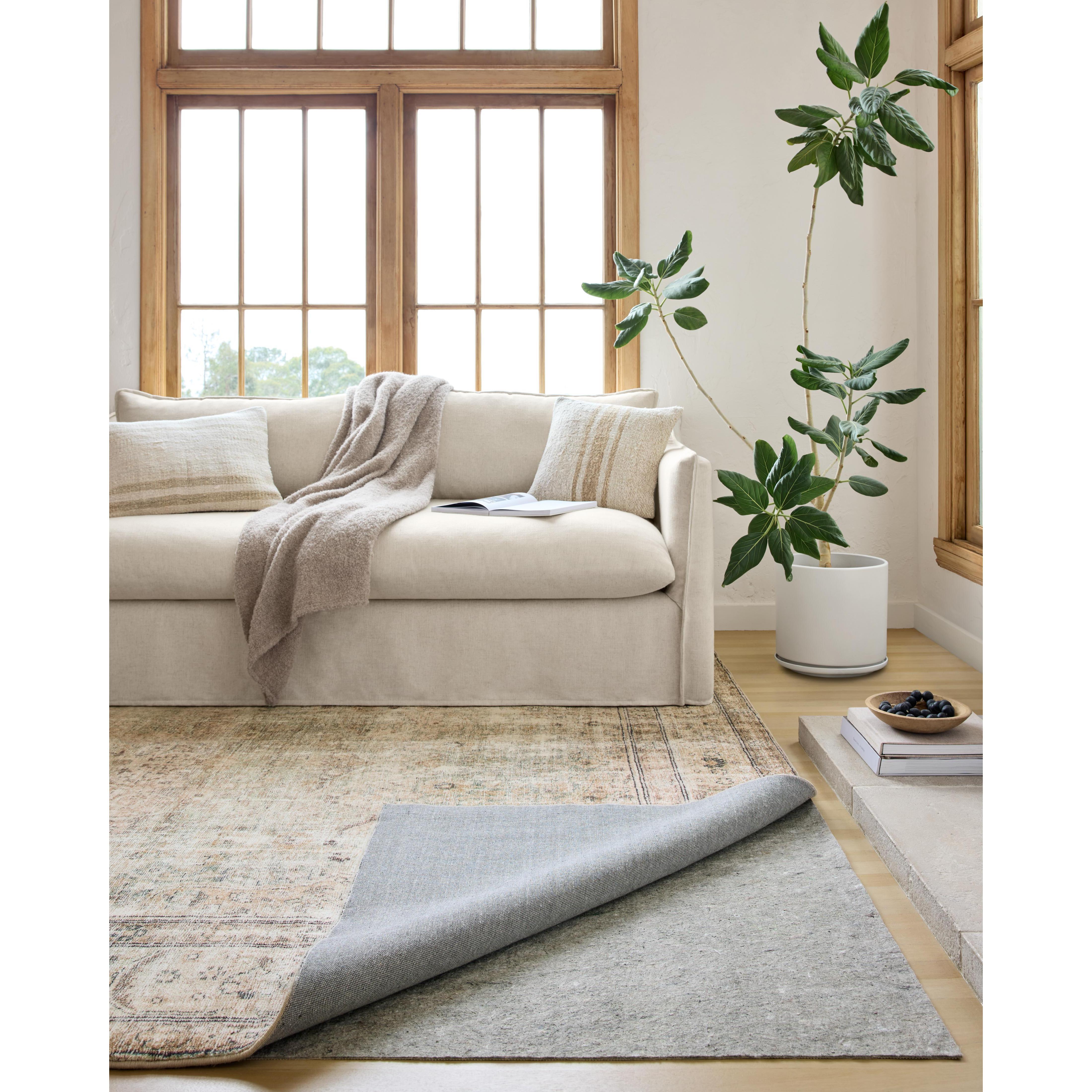
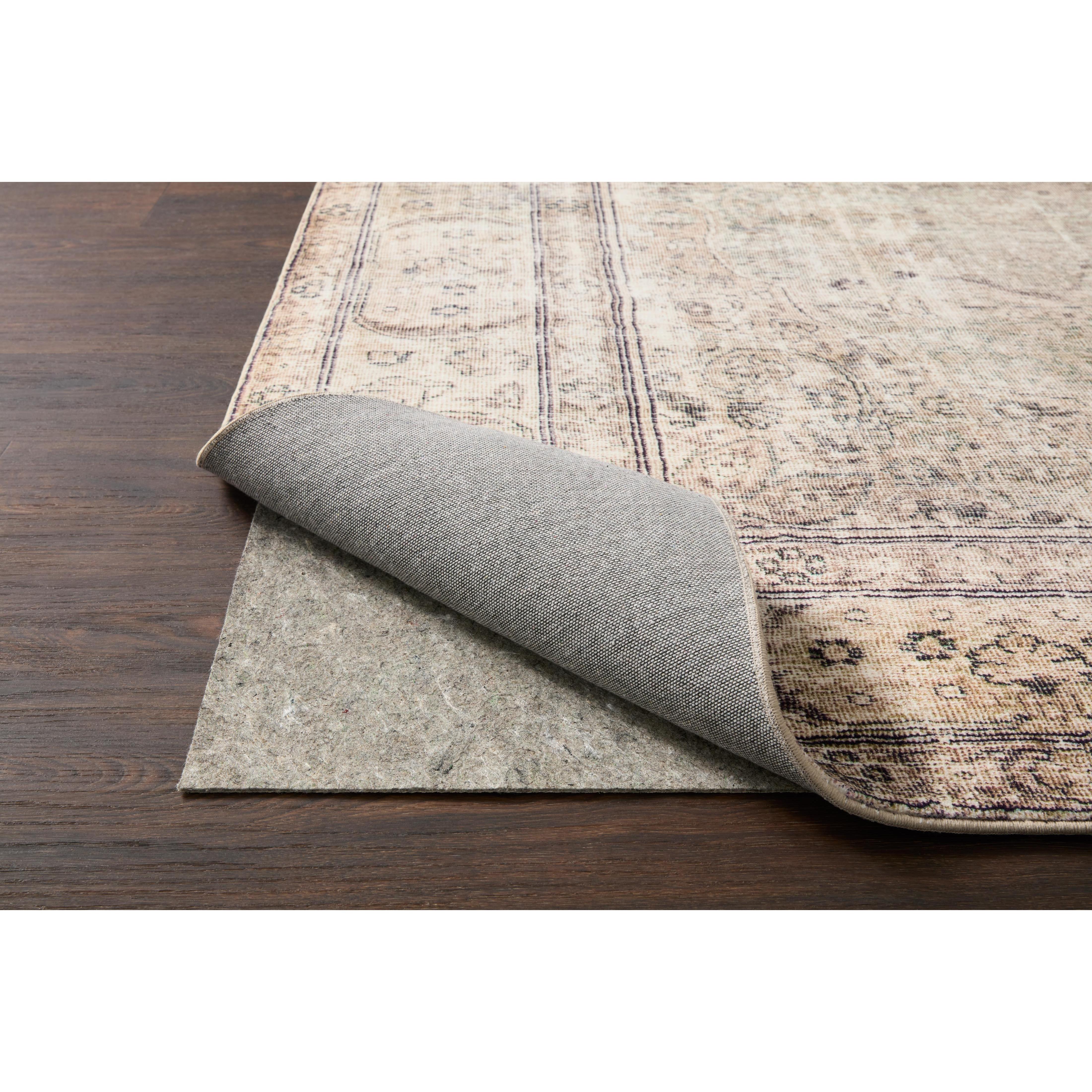
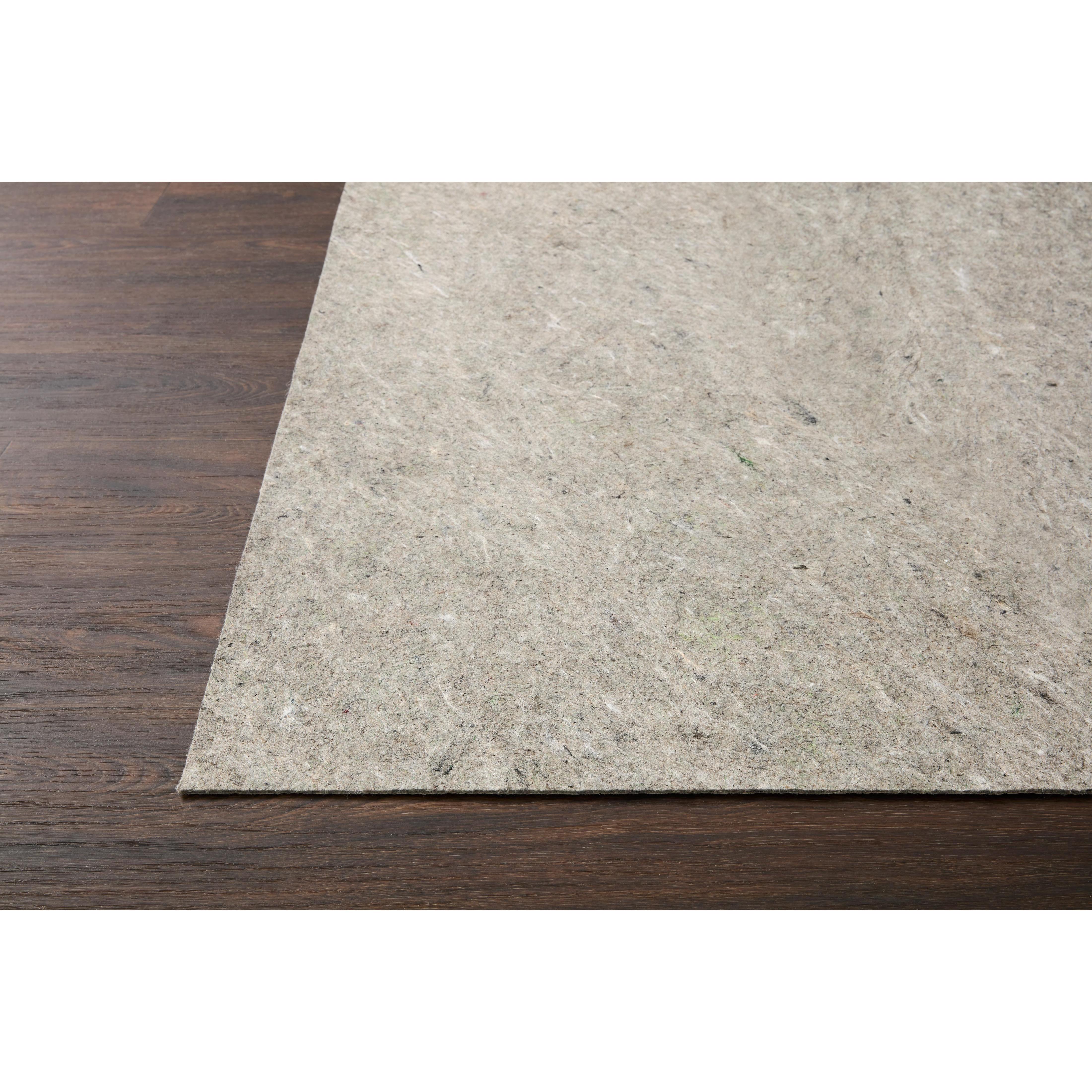
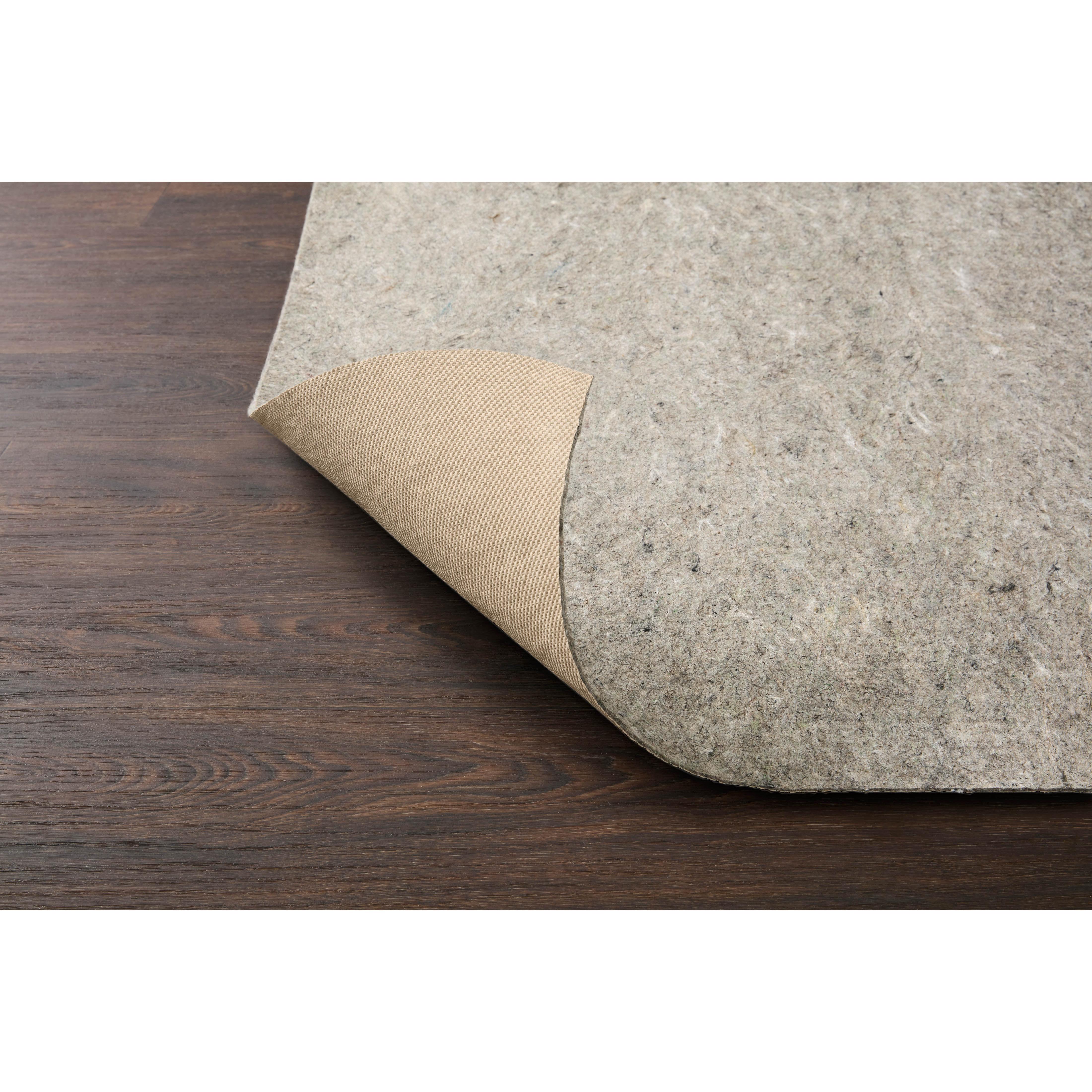
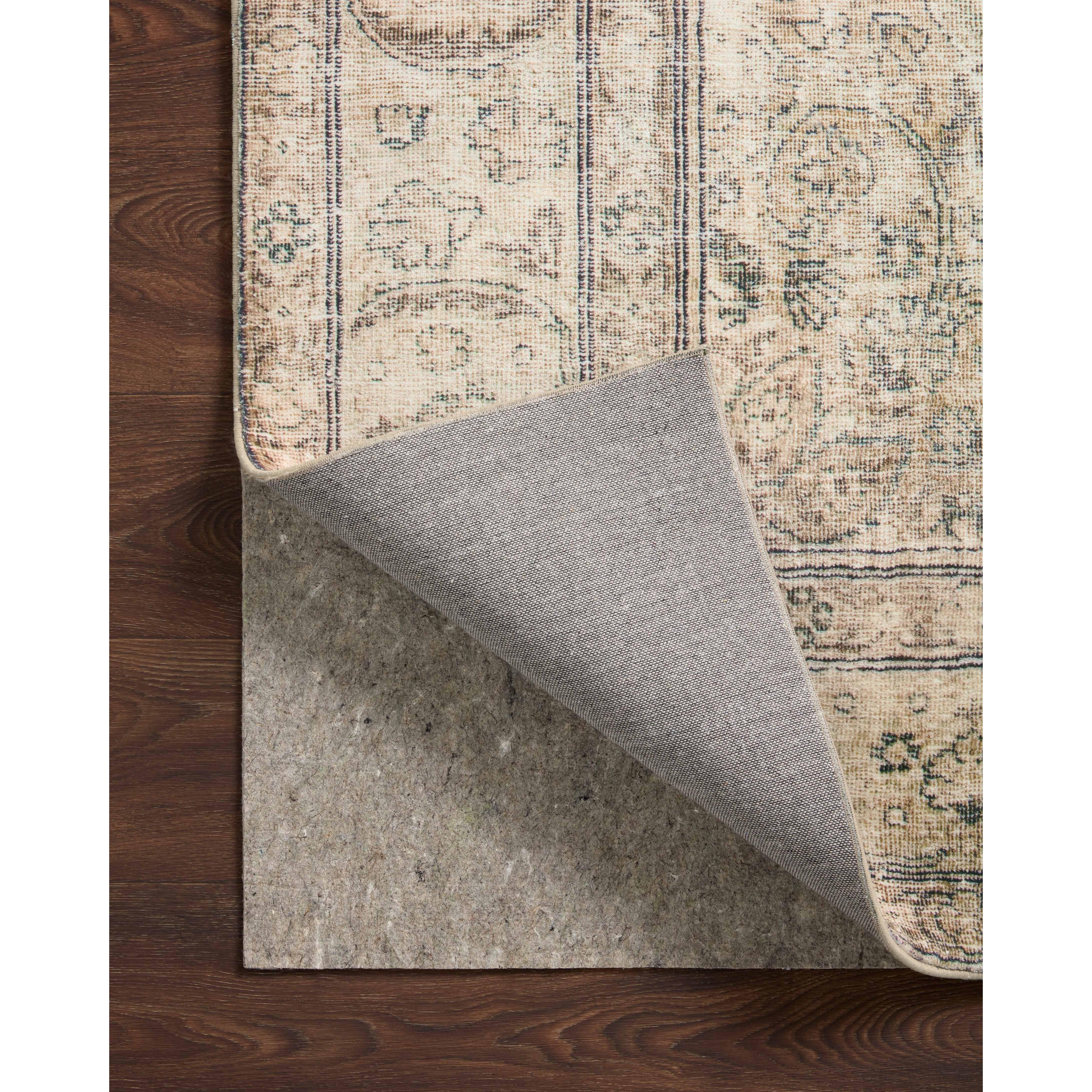
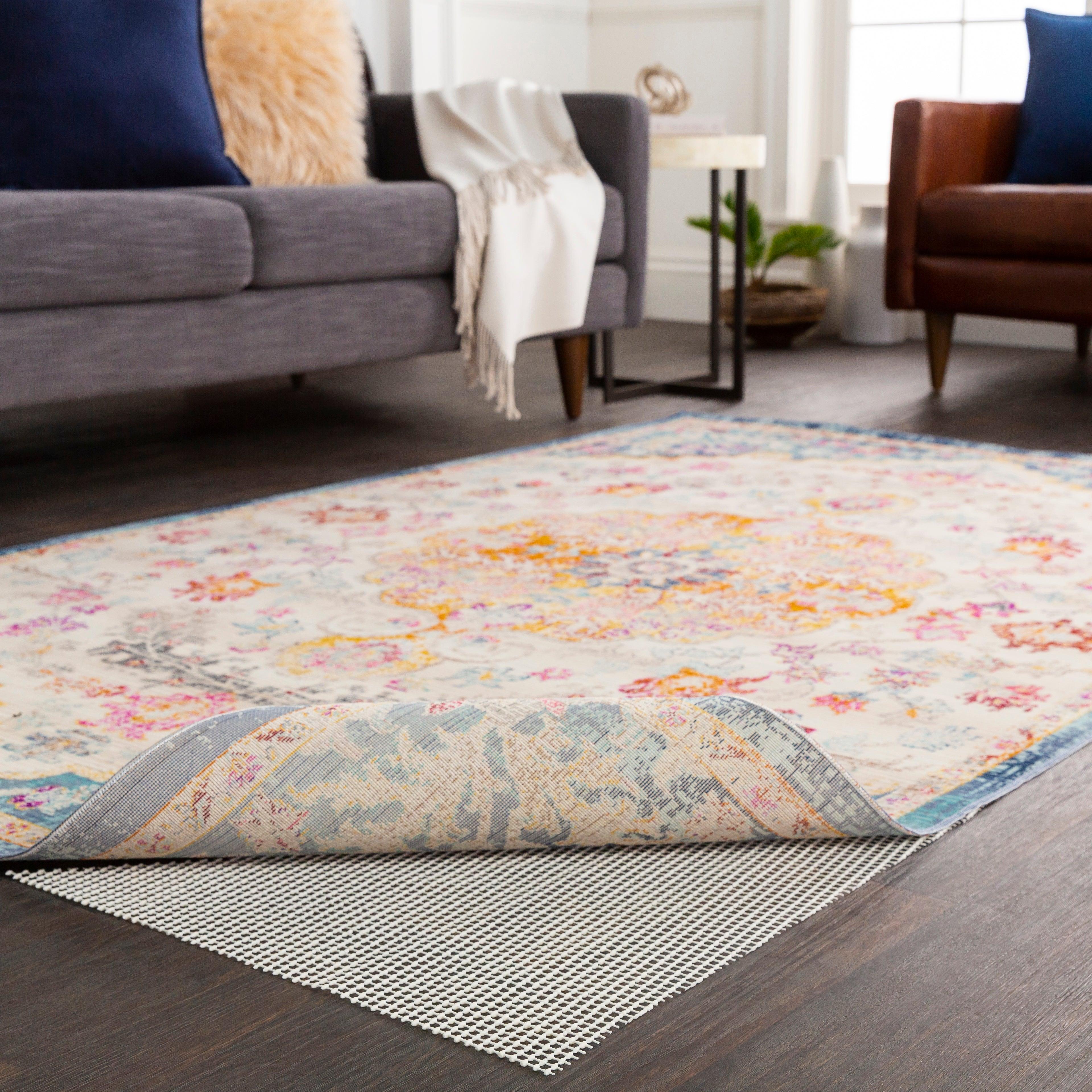
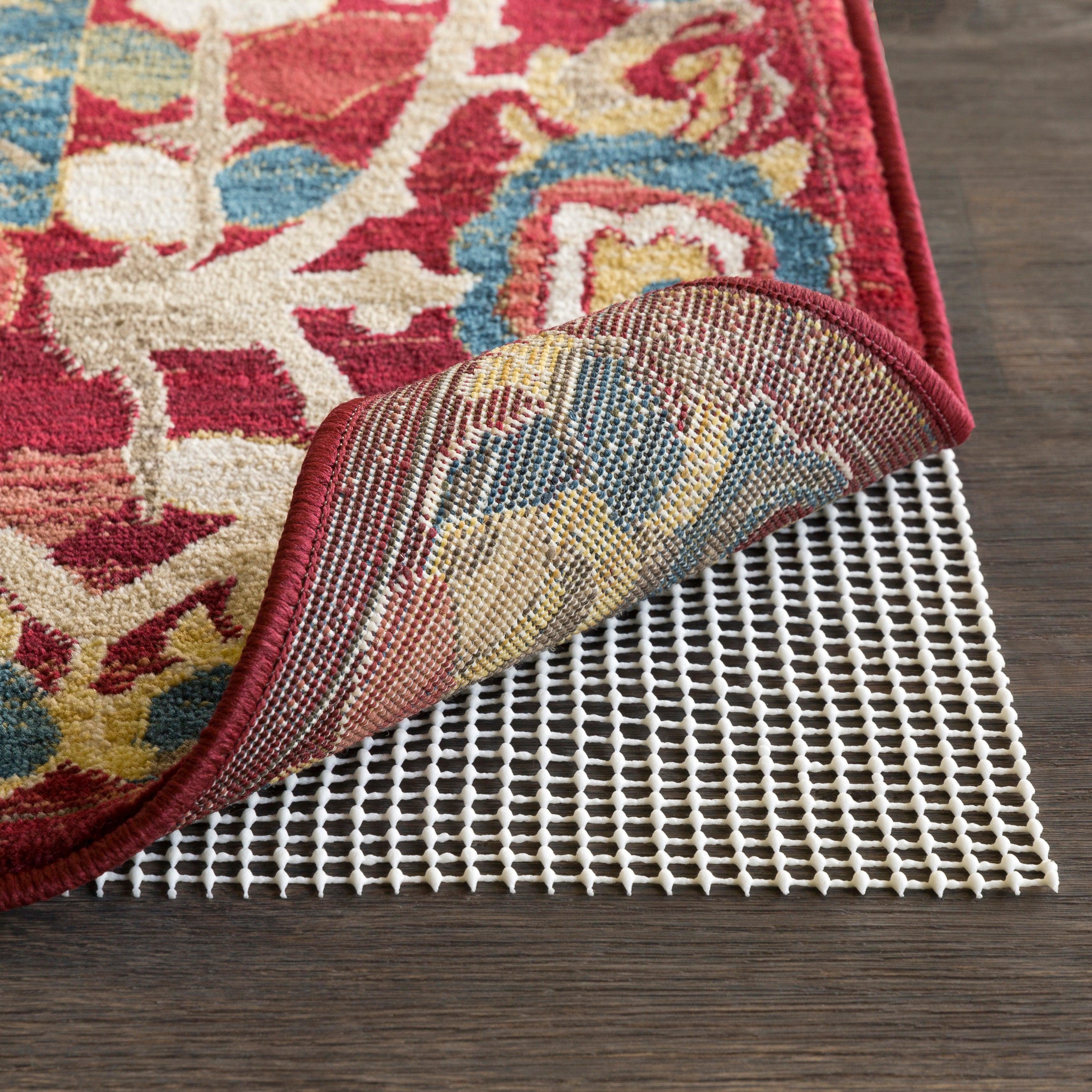
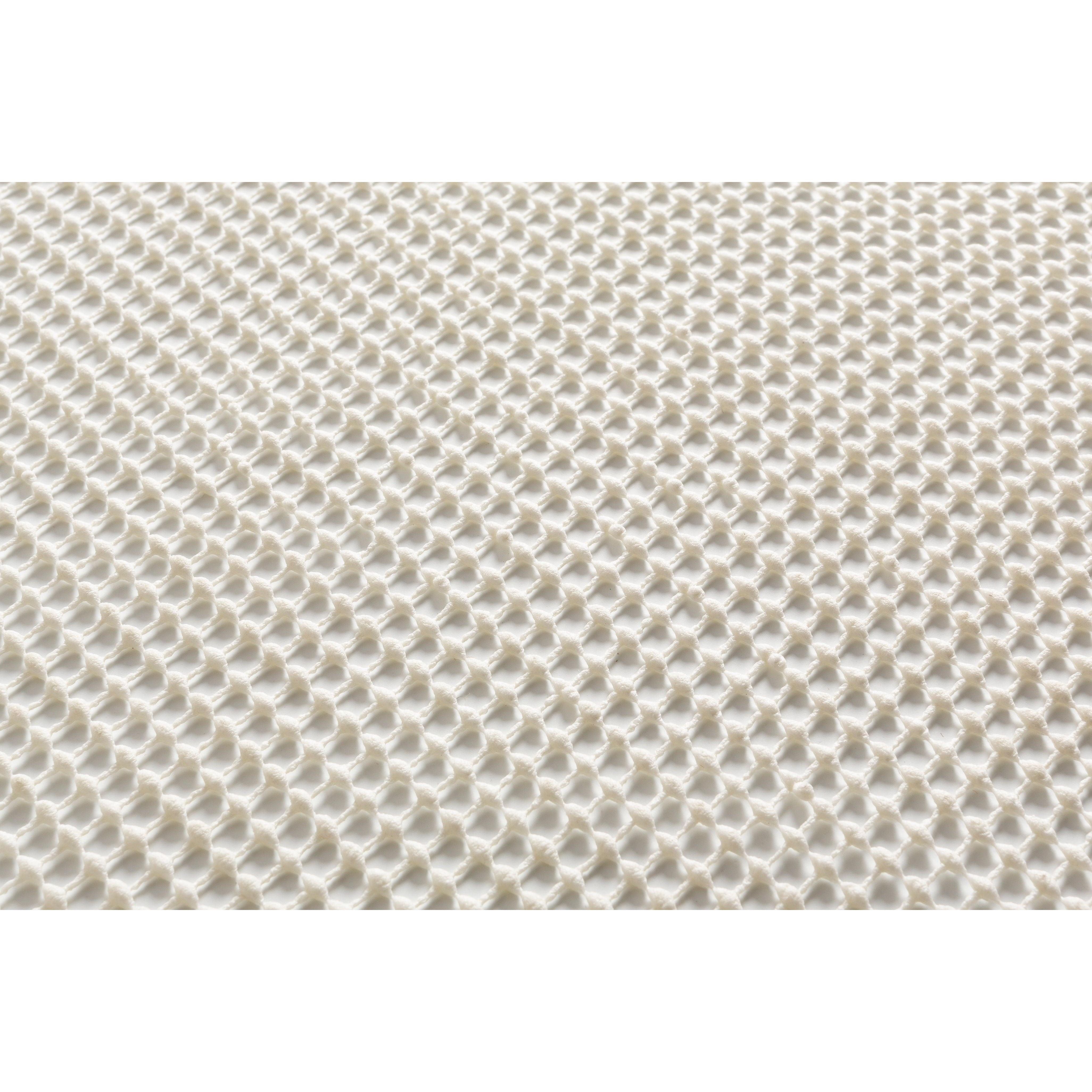
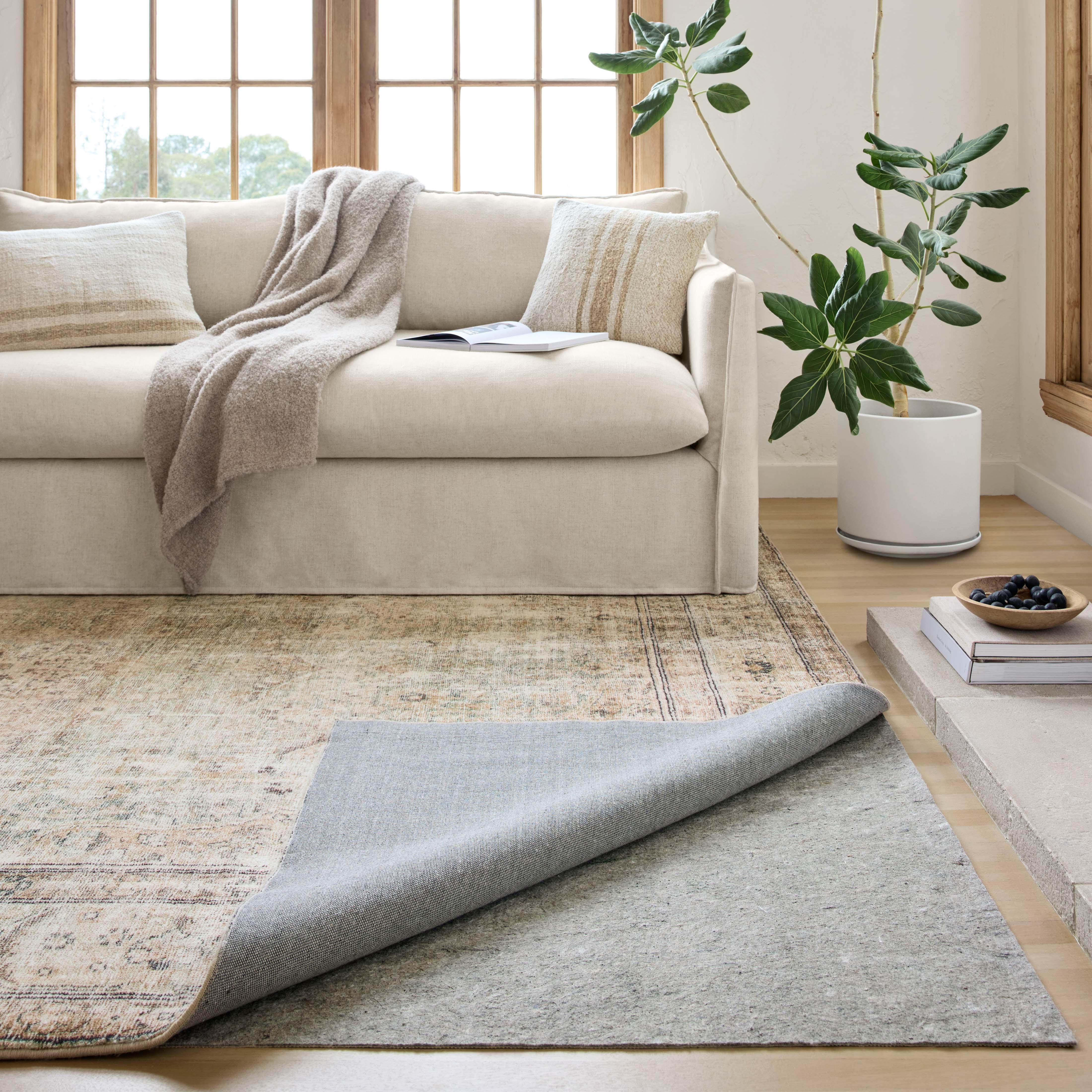
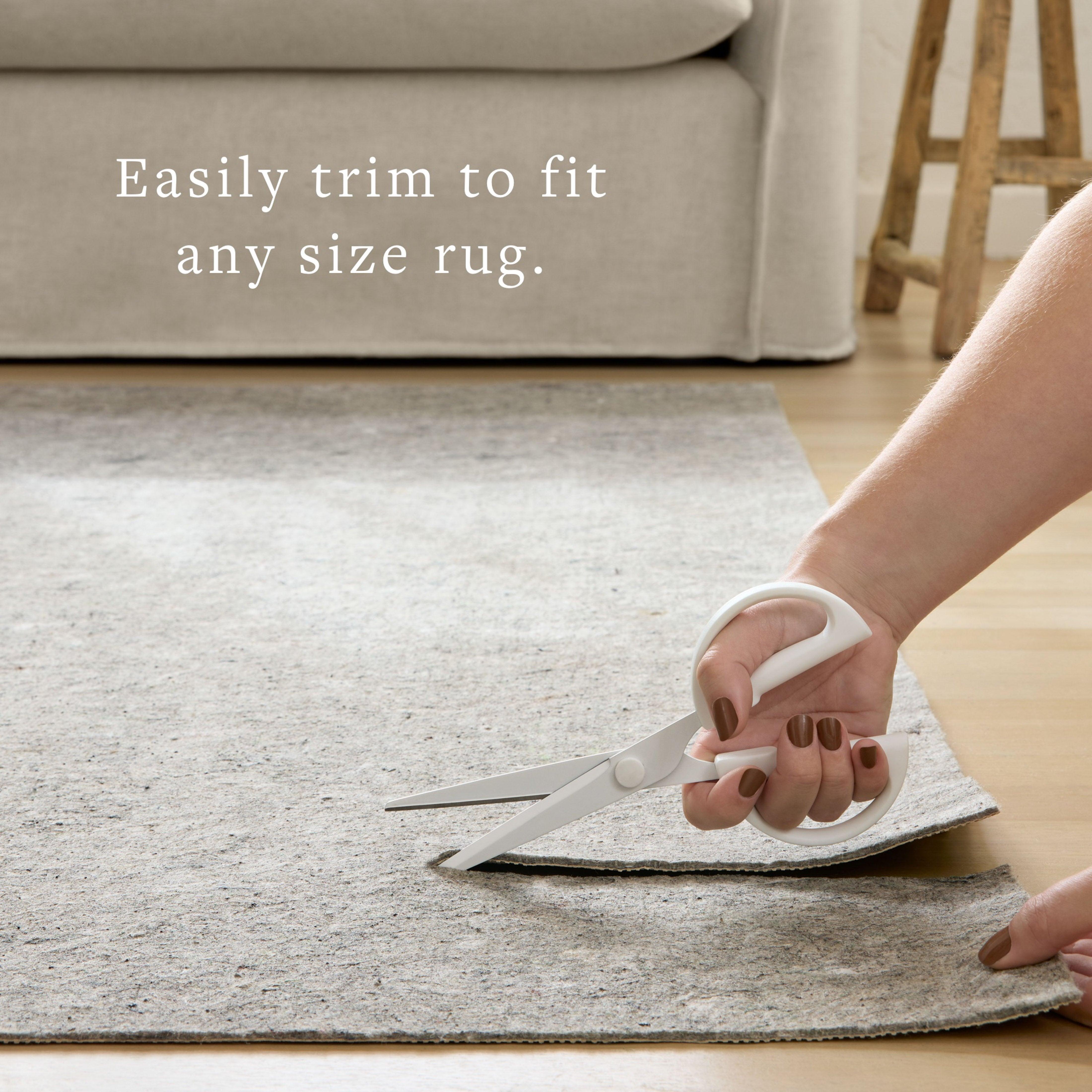
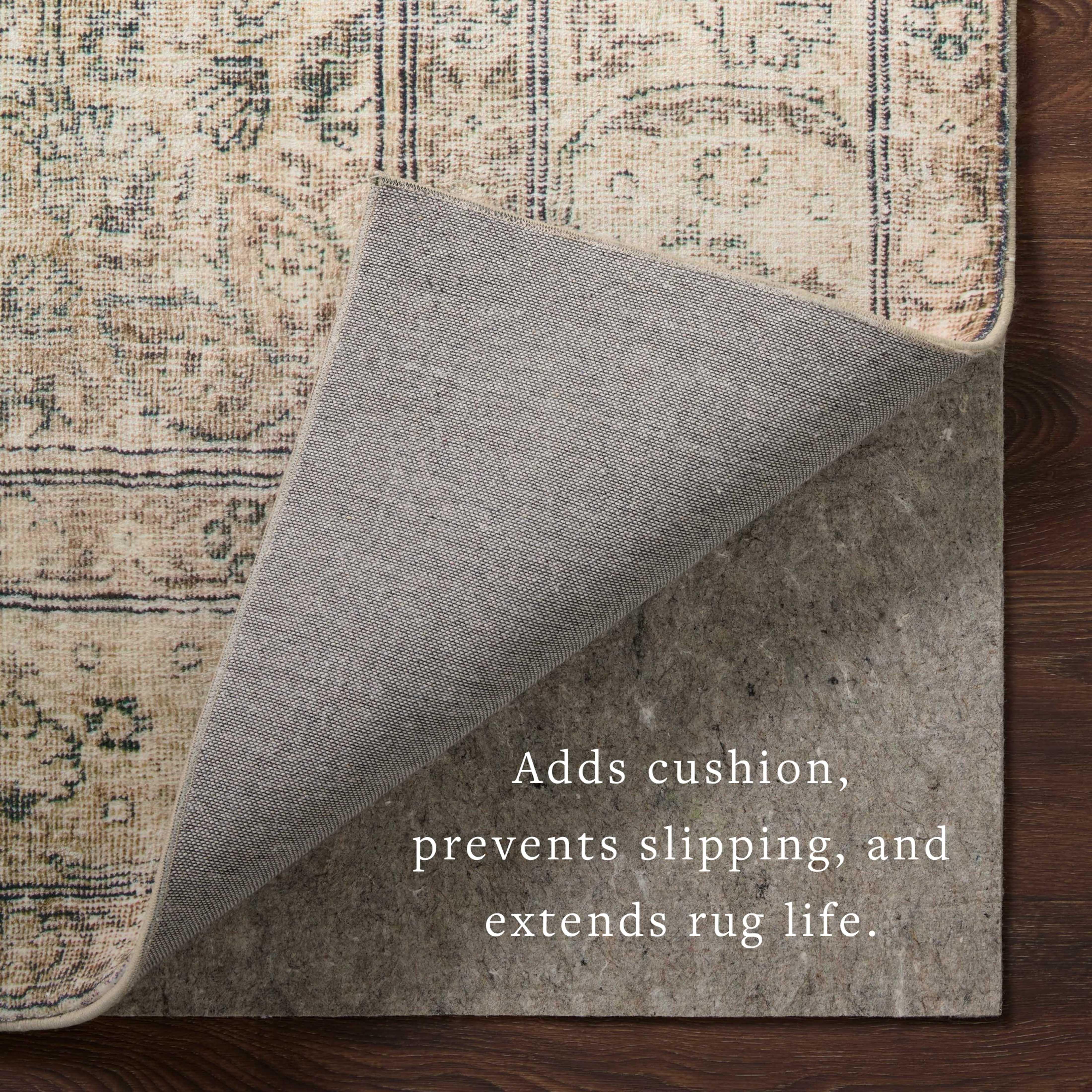
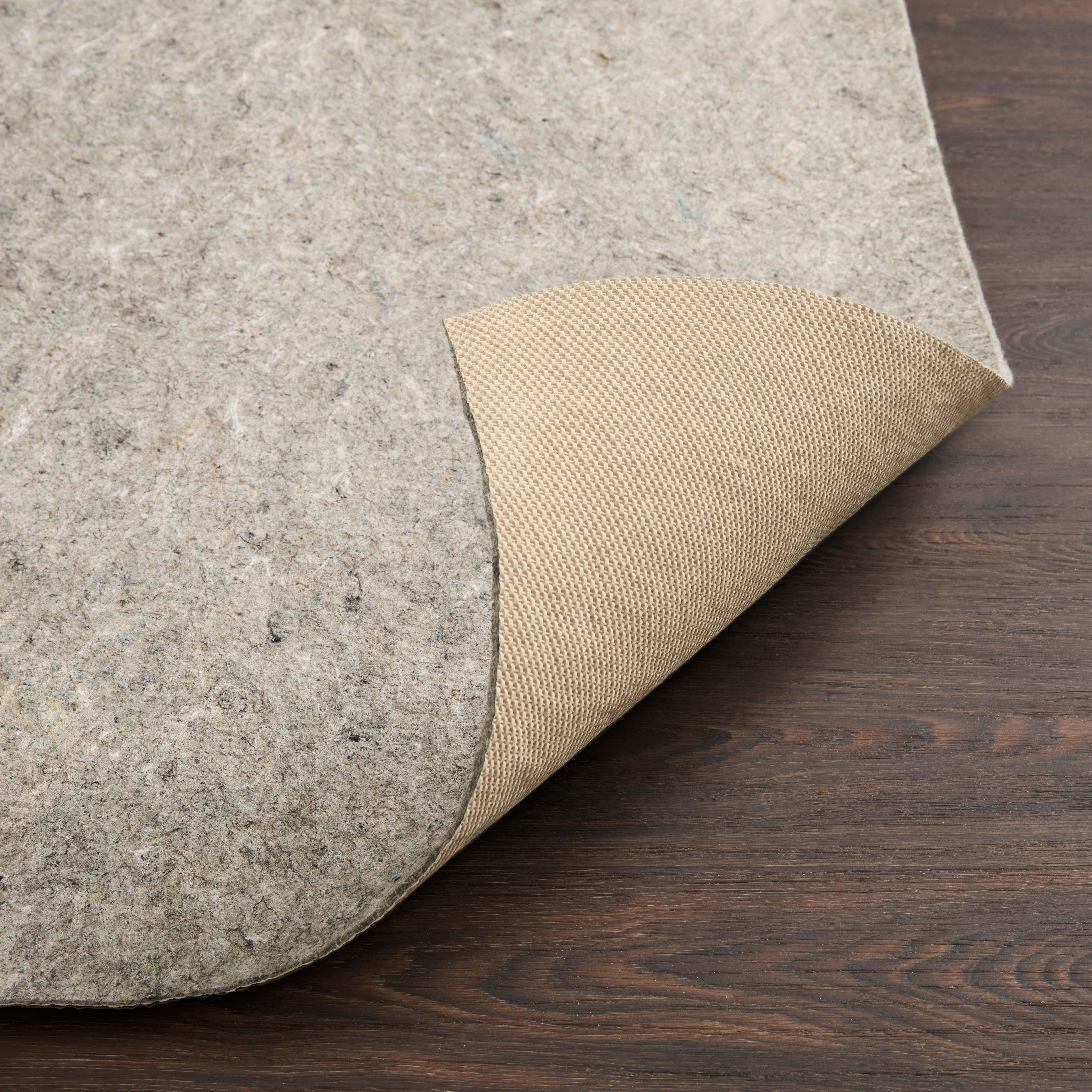
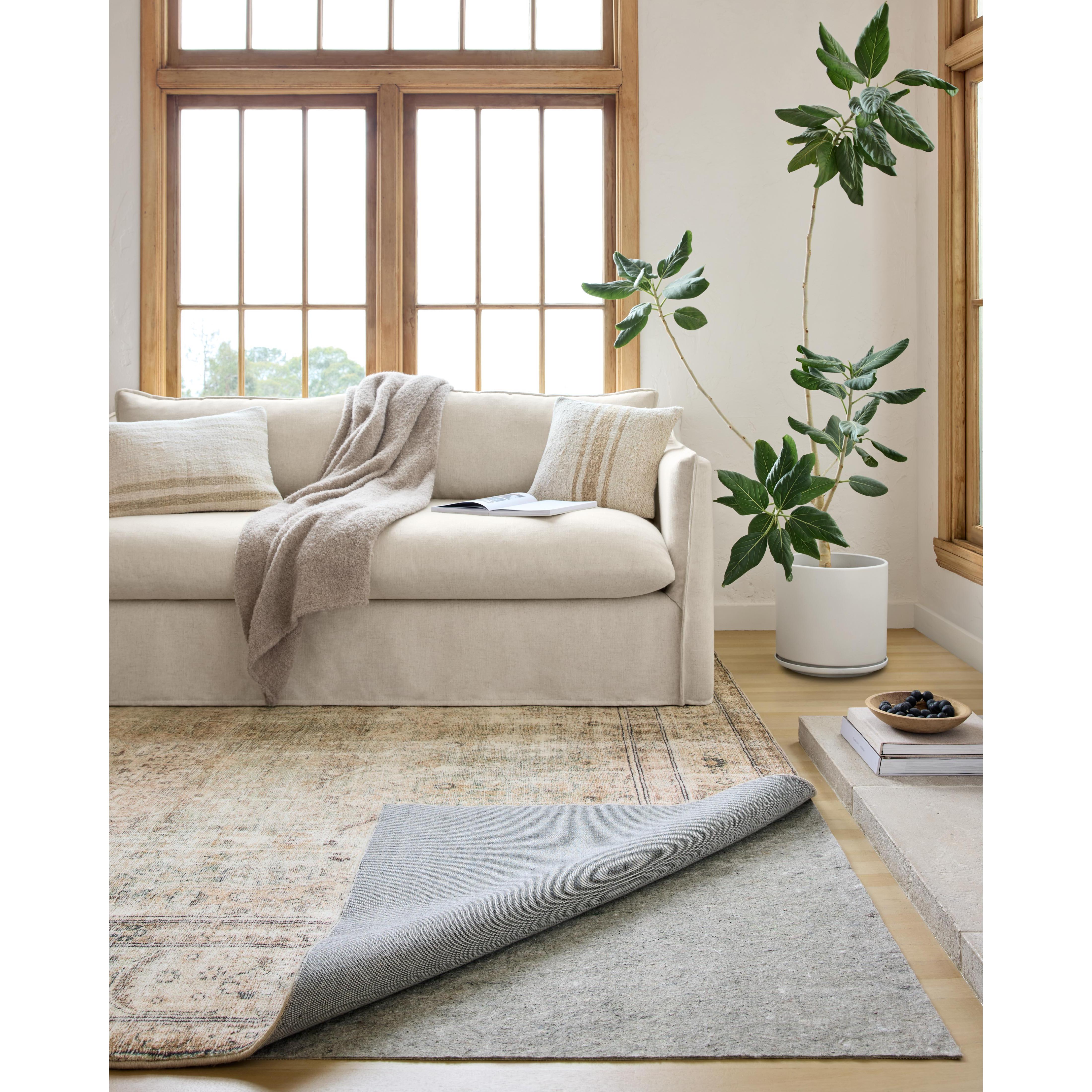
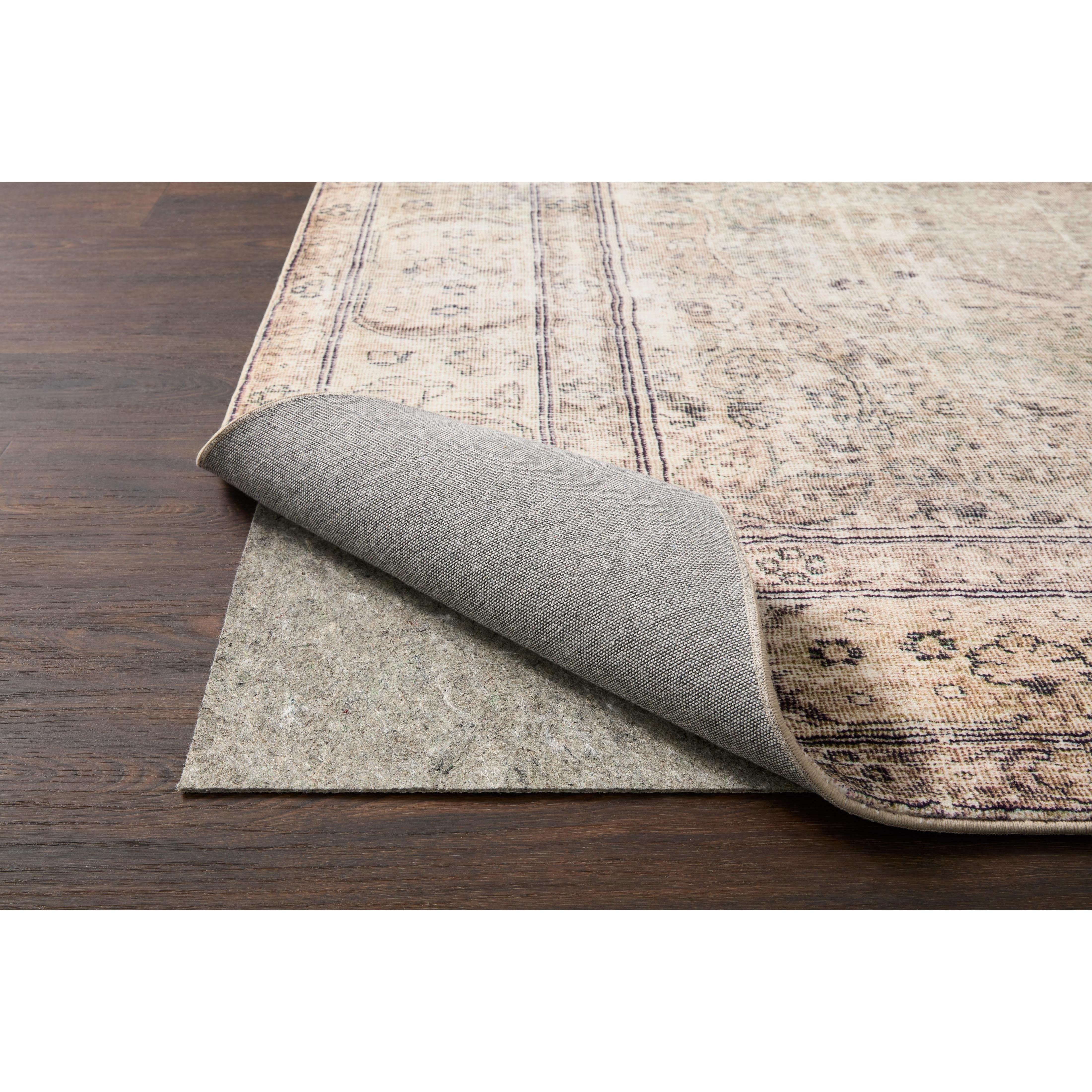
Placing a rug pad underneath your jute rug is one of the smartest things you can do for it. First and foremost, it’s a matter of safety. A good rug pad will grip both the floor and the rug, preventing it from slipping and sliding around, which is essential in busy hallways or living rooms. Beyond that, a rug pad significantly extends the life of your rug. It provides a soft, supportive cushion that absorbs the impact of foot traffic, reducing the friction that can wear down the natural fibers over time. It also allows for better air circulation, which helps prevent moisture buildup underneath. It’s a small investment that protects your beautiful rug for the long haul.
How to Tackle Spills and Stains
Spills happen, but they don’t have to mean the end of your beautiful jute rug. Because jute is a natural fiber, it’s quite absorbent, which means your reaction time is everything. The key is to act quickly and use the right technique to lift the stain without damaging the delicate fibers. Rubbing or using harsh chemicals can make the problem worse, leading to discoloration or fraying. With a few simple supplies and a little patience, you can handle most common household spills and keep your rug looking fresh. Think of it as first aid for your floor decor—a quick, calm response can solve almost anything.
What to Do Immediately After a Spill
The moment a spill occurs, your goal is to absorb as much of it as possible before it soaks into the jute fibers. Grab a clean, dry cloth or a stack of paper towels and gently blot the area. Start from the outside of the spill and work your way in to prevent it from spreading. Whatever you do, resist the urge to rub or scrub. Rubbing will only push the liquid deeper into the rug’s weave, making the stain more difficult to remove and potentially damaging the fibers. Just keep blotting with a fresh section of your cloth until you’ve soaked up all the excess moisture. This simple, immediate action is the most effective step in stain prevention.
A Step-by-Step Spot Cleaning Method
Once you've blotted the initial spill, you can move on to spot cleaning any remaining marks. For this, you’ll want a gentle cleaning solution. Mix a 50/50 solution of white vinegar and water, or use a few drops of mild dish soap in a cup of warm water. Lightly dampen a clean cloth with your chosen solution and carefully dab the stained area. Again, avoid scrubbing. After treating the spot, use a separate cloth dampened with plain water to gently blot the area and "rinse" out any soap residue. The final, crucial step is to dry the spot completely with a hairdryer on a low, cool setting or a fan to prevent a water ring from forming.
How to Remove Common Stains
Some stains are more stubborn than others. For notorious culprits like red wine or tomato sauce, club soda can be your best friend. Pour a small amount directly onto the stain and blot it up with a clean cloth. The carbonation helps lift the stain from the fibers. If a mark persists after trying this, you can use the mild soap or vinegar solution mentioned earlier. For households with kids or pets where spills are a regular occurrence, you might also consider placing one of our durable washable rugs in high-traffic areas for easier cleanup. Just remember to always dry the treated spot on your jute rug thoroughly to prevent any water damage.
Getting Rid of Lingering Odors
If your jute rug has absorbed a smell from a spill or just needs a general refresh, baking soda is an excellent natural deodorizer. Sprinkle a generous layer over the entire surface of the rug. For the best results, use a soft-bristled brush to gently work the powder into the weave of the rug. Let the baking soda sit for at least a couple of hours—or even overnight for stronger odors—to give it time to absorb any unwanted smells. Afterward, vacuum the rug thoroughly to remove all the baking soda. This simple trick can freshen up all kinds of area rugs in your home, leaving them smelling clean and looking great.
How to Deep Clean Your Jute Rug
Even with the best maintenance, your jute rug will eventually need a deeper clean to stay fresh. While routine care is usually enough, a deep clean every 12 to 18 months will handle the accumulated dirt that regular vacuuming can’t reach. This process is a bit more involved because jute fibers are sensitive to moisture, but don’t worry—it’s completely manageable. The key is to work carefully and ensure the rug dries completely to prevent any damage or mildew. A little bit of focused effort will restore your rug’s natural beauty and keep it looking its best for years to come.
Prepare Your Rug for a Deep Clean
Before you start any deep cleaning, you need to get rid of all the loose dirt and debris. A thorough vacuuming is the perfect first step. Make sure to vacuum both the top and the underside of the rug to remove as much dust as possible. If you can, take your rug outside and give it a good shake to dislodge any stubborn particles trapped deep within the weave. This initial prep work is essential because it prevents you from turning surface dirt into a muddy mess once you introduce a cleaning solution. Preparing your area rugs properly makes the entire deep cleaning process more effective and much easier to handle.
Choose a Safe Deep Cleaning Method
Because jute is a natural fiber, it doesn’t react well to getting soaked with water. Instead of a traditional wet shampoo, you’ll want to use a method with minimal moisture. You can use a dry rug cleaning powder or create a gentle solution with a small amount of mild dish soap mixed with water. Before applying anything, always test your cleaning solution on a small, inconspicuous spot to ensure it doesn't cause discoloration. To clean, dip a clean cloth into the solution, wring it out until it’s just damp, and gently blot the rug. Work in small sections and avoid scrubbing, as this can damage the delicate fibers. This careful approach is the best way to clean natural fiber rugs without causing harm.
The Right Way to Dry Your Rug
Properly drying your jute rug is the most critical part of the deep cleaning process. Any lingering moisture can lead to mold, mildew, and browning, so you need to act quickly. As soon as you’re done cleaning, blot the damp areas with dry, clean towels to absorb as much excess water as possible. Then, set up fans or a dehumidifier to circulate air over and under the rug. If possible, elevate the rug on a few chairs or blocks to help air flow underneath. Make sure the rug is completely dry on both sides before placing it back on the floor. Avoid direct sunlight or high heat, as this can make the natural fibers brittle.
How to Prevent Mold and Mildew
The best way to deal with mold and mildew is to prevent it from ever taking hold. Since moisture is the main culprit, always ensure your jute rug is placed in a dry, well-ventilated area away from humid spaces like bathrooms or basements. If you live in a damp climate, a dehumidifier can be a great investment for the room. After any cleaning, double-check that the rug is bone-dry before putting furniture back on it. A good quality rug pad can also help by allowing air to circulate underneath, which further reduces the risk of moisture getting trapped between your rug and the floor.
Storing Your Rug and When to Call a Pro
Even with the best care routine, there are times when your jute rug needs a little extra help. Knowing when to tackle a job yourself versus calling in a professional is key to keeping your rug in beautiful condition. The same goes for storage—a little prep work goes a long way in preserving its natural fibers. Whether you’re swapping out seasonal decor or dealing with a major spill, here’s how to handle your jute rug like an expert.
Know When to Hire a Professional
While regular vacuuming and spot cleaning are fantastic for everyday upkeep, some situations are best left to the pros. If your rug is heavily soiled from foot traffic or has a deep-set stain that just won’t budge, it’s time to call for backup. A professional cleaner has the right tools and expertise to deep clean natural fibers without causing damage. For jute, this is especially important, as too much water can lead to browning or mildew. Think of it as an investment in your rug's longevity. If you’re ever in doubt, a professional cleaning service can safely restore your rug’s texture and colour.
Create the Right Environment for Storage
The first rule of storing a jute rug is to keep it dry. Because jute is a natural plant fiber, it’s highly absorbent and doesn’t mix well with moisture. Storing it in a damp basement, garage, or attic can invite mold and mildew, which can permanently damage the rug. Instead, choose a clean, dry, and climate-controlled space, like a spare room closet or an under-the-bed storage container. Before you put the rug away, make sure the area is well-ventilated and free of any potential pests. A dry environment is the best way to ensure your rug comes out of storage looking just as good as when it went in.
How to Store Your Rug Properly
Before you even think about storing your rug, make sure it’s completely clean and dry. Trapping dirt or moisture can cause the fibers to break down over time. Once it’s ready, always roll your jute rug instead of folding it. Folding creates harsh creases that can become permanent and weaken the rug’s structure. Roll it up tightly with the top side facing inward to protect the pile. To keep it safe from dust, wrap the rolled rug in a breathable cotton sheet or muslin cloth. Avoid plastic wrap, as it traps moisture and can lead to mildew. Proper storage keeps your favourite area rugs ready for their next season on display.
Tips for Seasonal Care
Great rug care is about consistency. To keep your jute rug looking fresh, plan for a deep cleaning every 12 to 18 months to remove the fine dirt that daily vacuuming can’t reach. This is a perfect task for a professional, but it’s a crucial step in extending your rug’s life. On a more frequent basis, rotate your rug every three to six months. This ensures it wears evenly, especially if part of it is in a high-traffic path or gets more sunlight. This simple habit prevents one side from fading or fraying faster than the other. For busy households, a washable rug can also be a great, low-maintenance alternative.
Common Jute Rug Care Mistakes
Jute rugs bring a wonderful, earthy texture to any room, but their natural fibers require a specific kind of care. It’s easy to make a misstep that could damage your beautiful rug, but don’t worry—avoiding these common mistakes is simple once you know what to look out for. Many people treat their jute rug like any other synthetic carpet, which can lead to discoloration, fraying, or even mold. The key is to remember you're working with a plant-based material that is sensitive to moisture, harsh chemicals, and rough handling.
Understanding these sensitivities is the first step toward preserving your rug's natural beauty and texture for years to come. From using the wrong vacuum setting to placing your rug in a damp environment, a few common habits can shorten its lifespan. We’ll walk through the most frequent errors people make so you can sidestep them entirely. Think of it less as a strict set of rules and more as a guide to working with the material, not against it. By making a few small adjustments to your cleaning routine, you can ensure your jute rug remains a stunning centerpiece in your home.
Avoiding Water and Moisture Damage
The single most important thing to remember about jute is that it does not like water. Excessive moisture is its biggest weakness, causing the natural fibers to darken, turn brittle, or even develop mildew. This is why jute rugs are not a good fit for bathrooms, kitchens, or basements. When a spill happens, your first instinct should be to blot, not scrub, and to use as little liquid as possible. Never steam clean or hose down your jute rug. If you need a floor covering for a more humid area of your home, consider browsing other area rugs made from more water-resistant materials.
Preventing Damage from Harsh Chemicals
Those powerful, all-purpose carpet cleaners under your sink are not meant for natural fibers like jute. Harsh chemicals can strip the fibers of their natural oils, leading to discoloration and brittleness. Always opt for a gentle, pH-neutral cleaner specifically designed for natural materials, or stick to a simple solution of equal parts white vinegar and water. Before you apply any cleaning solution, test it on a small, hidden spot—like the underside of a corner—to make sure it doesn’t cause any damage. This simple patch test can save you from a much larger cleaning disaster.
Using the Wrong Cleaning Tools
Your vacuum can be your jute rug’s best friend or its worst enemy. The problem lies with the beater bar—that rotating brush designed to agitate carpet fibers. On a woven jute rug, a beater bar is far too aggressive and can easily snag, pull, and break the delicate fibers, causing it to look fuzzy or frayed over time. To vacuum your rug safely, use a suction-only setting or a handheld attachment. If your vacuum doesn’t allow you to turn off the beater bar, it’s best to use an upholstery attachment instead. For deep-seated dirt, consider getting it professionally dry-cleaned.
Common Maintenance Myths
You may have heard that once a jute rug is stained, it’s ruined forever. While some stains are certainly stubborn, this is often an exaggeration. With immediate action and the right spot-cleaning technique, you can handle most common spills successfully. Another myth is that regular vacuuming is all the care a jute rug needs. While vacuuming is essential for day-to-day upkeep, a deeper clean every 12 to 18 months is necessary to remove embedded dirt and allergens. For homes with pets or kids where spills are inevitable, exploring some durable washable rugs might be a great, stress-free alternative.
Make Your Jute Rug Last for Years
A beautiful jute rug is an investment in your home’s style and comfort. With a bit of thoughtful care, you can ensure it stays looking fresh and new for a long time. It all comes down to a few key habits: choosing the right spot, protecting it from daily wear, and checking in on it regularly. By making these simple practices part of your routine, you’ll keep your rug in great shape and enjoy its natural charm for years to come.
Choose the Best Location
The first step to a long and happy life for your jute rug is placing it in the right environment. Because jute is a natural plant fiber, it’s highly absorbent and doesn’t mix well with moisture. Placing it in damp areas like bathrooms, kitchens, or basements can lead to mold, mildew, and fiber breakdown. Instead, let your jute rug shine in dry, low-moisture spaces. Living rooms, bedrooms, and home offices are perfect spots. These beautiful area rugs are designed to be statement pieces, so placing them in a high-visibility, dry area ensures they remain the center of attention for all the right reasons.
Protect Your Rug for the Long Term
Consistent care is the secret to preserving your rug’s natural beauty. While regular vacuuming and quick spot cleaning handle the daily upkeep, a deeper clean is essential every 12 to 18 months to remove the dirt and dust that settles deep within the fibers. For high-traffic homes or families with pets, you might consider this annually. Think of it as a spa day for your rug! For areas where spills are more likely, you might also explore durable alternatives like washable rugs to complement your jute pieces. A good quality rug pad underneath will also prevent slipping and add an extra layer of cushioning, reducing wear over time.
How to Inspect Your Rug Regularly
Catching small issues before they become big problems is easy with a quick weekly check-in. Take a moment to walk around your rug and look for any new spots, loose weaves, or areas of discoloration. Check underneath the corners for any signs of dampness, especially during humid months. If you find a spill, act immediately. Grab a clean, dry cloth and blot the area to absorb as much of the liquid as possible—never rub, as this can push the stain deeper into the fibers. This simple habit takes only a few minutes but can add years to the life of your rug by preventing permanent stains and damage.
Related Articles
- The Ultimate Guide to Washable Rugs 8x10
- Antique Persian Rugs: An Expert Buyer's Guide
- Jute Bleached
Frequently Asked Questions
What do I do if my vacuum doesn't have a suction-only setting? If you can't turn off the beater bar on your vacuum, don't worry. The best alternative is to use the handheld upholstery attachment. This tool provides strong suction without the aggressive spinning brush, so you can effectively remove dirt and debris without snagging or fraying the rug's natural fibers.
My new jute rug is shedding a lot. Is this normal? Yes, a bit of shedding is completely normal for a new jute rug. These natural fibers, often called "sprouts," will work their way to the surface for the first few months. Consistent, gentle vacuuming (with suction only!) will help manage the shedding, and you'll notice it lessens considerably over time as the rug settles into your home.
Can I really not use any water to clean my jute rug? It's less about avoiding every drop of water and more about avoiding saturation. Jute is like a sponge, and soaking it can cause browning and mildew. For spills, you should use a cloth that is only slightly dampened with a cleaning solution to blot the spot. The key is to use minimal moisture and then dry the area completely with a fan or hairdryer on a cool setting.
Is a rug pad absolutely necessary for a jute rug? While not mandatory, using a rug pad is one of the best things you can do for your jute rug. It serves two important purposes: safety and longevity. A good pad keeps the rug from slipping on hard floors, and it also provides a layer of cushioning that absorbs the impact of foot traffic, which significantly reduces wear and tear on the natural fibers over time.
What's the best way to handle pet accidents on a jute rug? For pet accidents, you need to act fast to tackle both the stain and the odor. First, blot the area with a dry cloth to absorb as much liquid as possible. Then, use a solution of equal parts white vinegar and water to lightly dampen a new cloth and blot the spot again. The vinegar is excellent for neutralizing odors. Finally, ensure the area is dried completely to prevent any moisture damage.