The idea of putting a beautiful rug under your dining table might bring on a wave of anxiety. Visions of spilled red wine, dropped spaghetti, and ground-in crumbs are enough to make anyone hesitate. But what if I told you that the right rug is one of the most practical and transformative additions you can make to your dining space? It’s not just about adding color or pattern; it’s about defining the room, protecting your floors, and creating a cozier atmosphere for meals. Modern rugs are tougher and easier to clean than ever before, making them a perfect fit for even the busiest households. This guide will show you how pairing your dining room table and rug is a smart, stylish choice, not a stressful one.
Key Takeaways
- Measure for Function, Not Just for Fit: Your rug needs to extend at least 24 inches past the table on all sides. This isn't just for looks—it's the key to preventing chair legs from snagging and ensures your dining set looks intentionally grounded.
- Choose a Rug Built for Real Life: Focus on low-pile or flatweave construction so chairs can slide smoothly. Materials like wool and synthetics offer great stain resistance, while machine-washable options are a game-changer for busy households.
- Decide if Your Rug is the Star or the Support: A rug can either set the tone for the room or complement existing features. If your room is neutral, let a bold rug be the focal point. If you have statement wallpaper or curtains, choose a rug with a subtle pattern or texture to create a balanced, cohesive look.
Why a Rug Belongs in Your Dining Room
Placing a rug under your dining table might seem like a purely decorative choice, but it’s one of the most functional decisions you can make for your space. A dining room rug does more than just add a pop of color or pattern; it anchors the room, adds a layer of comfort, and protects your floors from the daily shuffle of chairs and feet. It’s the finishing touch that pulls your dining set together, transforming it from a simple collection of furniture into a cohesive and inviting area for meals and conversations.
Think of it as the foundation of your dining room's design. Whether you have a dedicated room or an open-concept layout, the right rug can define the space, absorb sound, and make every meal feel a little more special. It’s a practical piece of art for your floor that serves a purpose far beyond its good looks. Many people hesitate, worried about spills and crumbs, but modern materials and designs have made dining room rugs more practical than ever. They are an investment in both the style and the function of your home, creating a designated spot for family dinners, holiday feasts, and late-night chats with friends.
Define Your Dining Space
In homes with open floor plans, a dining room can sometimes feel lost between the kitchen and the living area. An area rug is the perfect tool to solve this problem. By placing a rug under your table and chairs, you create a clear visual boundary that designates the dining zone. This simple addition acts as an anchor, grounding your furniture and establishing a distinct, intentional space for eating and entertaining. It effectively creates a "room within a room," making your entire living area feel more organized and thoughtfully designed.
More Than Just Good Looks
Beyond defining the space, a dining room rug offers several practical benefits. First, it adds a layer of comfort and warmth underfoot, making the area feel cozier and more inviting. It also works wonders for acoustics by absorbing sound, which helps reduce echo in rooms with hard flooring and makes conversations feel more intimate. Most importantly, a rug acts as a protective barrier for your floors, guarding against scratches from chair legs and damage from accidental spills. For busy households, a durable and easy-to-clean option like a washable rug can be a lifesaver, giving you peace of mind without sacrificing style.
Find the Perfect Fit: A Sizing Guide
Getting the rug size right is the single most important step in creating a dining room that feels both beautiful and functional. A rug that’s too small can make your dining set look like it's floating awkwardly and cause chair legs to snag on the edge—a recipe for spills and frustration. But don’t worry, finding the perfect size isn’t about complex math. With a few simple measurements and a clear rule of thumb, you can choose a rug that anchors your space perfectly.
Start with Your Table Dimensions
Before you even think about browsing for styles, grab a tape measure. The first step is to get the exact dimensions of your dining table. Write down its length and width (or diameter, if it’s round). This measurement is your baseline—the absolute minimum space your rug needs to cover. Think of your table as the centerpiece and the rug as its frame. A well-proportioned frame always extends beyond the art it’s holding, and a rug that’s barely bigger than the tabletop will make the entire setup feel cramped and undersized.
Master the 24-Inch Rule for Chairs
Here’s the golden rule for dining room rugs: your rug should extend at least 24 inches beyond the edge of your table on all sides. Why 24 inches? This is the magic number that gives you enough room to pull a chair out and sit down comfortably without the back legs falling off the edge of the rug. This simple guideline ensures your dining experience is smooth and trip-free. It also creates a generous, intentional look that properly defines the dining area, making the whole room feel more put-together and thoughtfully designed.
Consider the Room's Layout
While the table is your guide, the room itself sets the boundaries. Your rug should fit the dining area, not the entire room. A good practice is to leave at least 18 inches of bare floor between the edge of the rug and the walls. This negative space prevents the room from feeling crowded and allows your flooring to frame the rug. If you have other furniture in the room, like a buffet or a sideboard, make sure the rug doesn't run underneath it. The rug’s job is to define the dining zone, creating a distinct and inviting space for meals.
Match Your Rug to Your Table Shape
To create a sense of visual harmony, let the shape of your table guide the shape of your rug. A rectangular or oval table looks best when centered on one of our rectangular area rugs. This pairing creates clean, parallel lines that feel balanced and orderly. Likewise, a round table pairs beautifully with a round or square rug, which echoes its curves and enhances the intimate feel of the seating arrangement. Following this simple design principle is an easy way to ensure your dining set and rug look like they were made for each other.
How to Choose the Right Rug Material
The material of your dining room rug is where fashion meets function. It’s not just about looks; it’s about choosing a rug that can handle dropped spaghetti, scooting chairs, and daily foot traffic without showing its age. The right material will make cleanup a breeze and keep your dining space looking beautiful for years. Let’s break down the best options so you can find a material that fits your lifestyle and your style.
Top Materials for High-Traffic Areas
Your dining room is a hub of activity, which means your rug needs to be tough. Think of it as the unsung hero that withstands spills, crumbs, and the constant shuffle of chairs. For this demanding job, wool is a fantastic choice. It’s naturally durable, stain-resistant, and feels soft underfoot. Synthetic materials like polypropylene and nylon are also champions in high-traffic zones. They are specifically engineered for durability and are often very easy to clean, making them a practical and stylish choice for busy households. Exploring a wide selection of area rugs can help you compare these materials side-by-side.
The Case for Natural Fibers
If you want to add warmth and a dose of texture to your dining room, natural fiber rugs are a wonderful option. Materials like jute, sisal, and seagrass bring an organic, earthy feel to a space and create a beautiful neutral backdrop for your furniture. They are often quite affordable and work well in a variety of decor styles, from coastal to modern farmhouse. Keep in mind that some natural fibers can be more absorbent than synthetics, so they may require quicker attention when spills happen. However, their unique texture and casual charm are often worth the extra care, adding a layer of effortless style to your dining area.
The Benefits of Synthetic Fibers
Synthetic rugs are the workhorses of the rug world, and they are an excellent choice for a dining room. Materials like polypropylene, polyester, and nylon are designed for real life, offering impressive durability and stain resistance at a budget-friendly price point. They can be made to mimic the look of natural fibers like wool or sisal, so you don’t have to sacrifice style for practicality. Many synthetic options are also incredibly easy to clean. In fact, the growing popularity of washable rugs means you can often just toss them in the washing machine after a messy dinner party, making cleanup simpler than ever.
Prioritize Durability and Stain Resistance
When it comes to a dining room rug, durability is non-negotiable. You’ll want to look for options that are specifically built to last. Flatweave or low-pile rugs are your best friends here. Their tight construction is not only resilient against wear and tear but also makes cleaning up crumbs a simple task. More importantly, a low pile allows dining chairs to slide in and out smoothly without snagging or catching. This combination of a durable material and a low-profile construction ensures your rug is both beautiful and functional, standing up to the daily demands of a busy dining space with ease.
Understand the Upkeep
Every rug needs a little TLC to stay looking its best, and your dining room rug is no exception. Regular vacuuming is the first step to keeping it free from dust and daily debris. Don’t forget to use the beater bar-free setting to be gentle on the fibers. It’s also a good idea to rotate your rug every six months or so to ensure it wears evenly, especially if some chairs are used more than others. When the inevitable spill happens, act fast! Gently blot the area with a clean, dry towel—never rub, as that can push the stain deeper into the fibers and cause damage.
Match Your Rug to Your Decorating Style
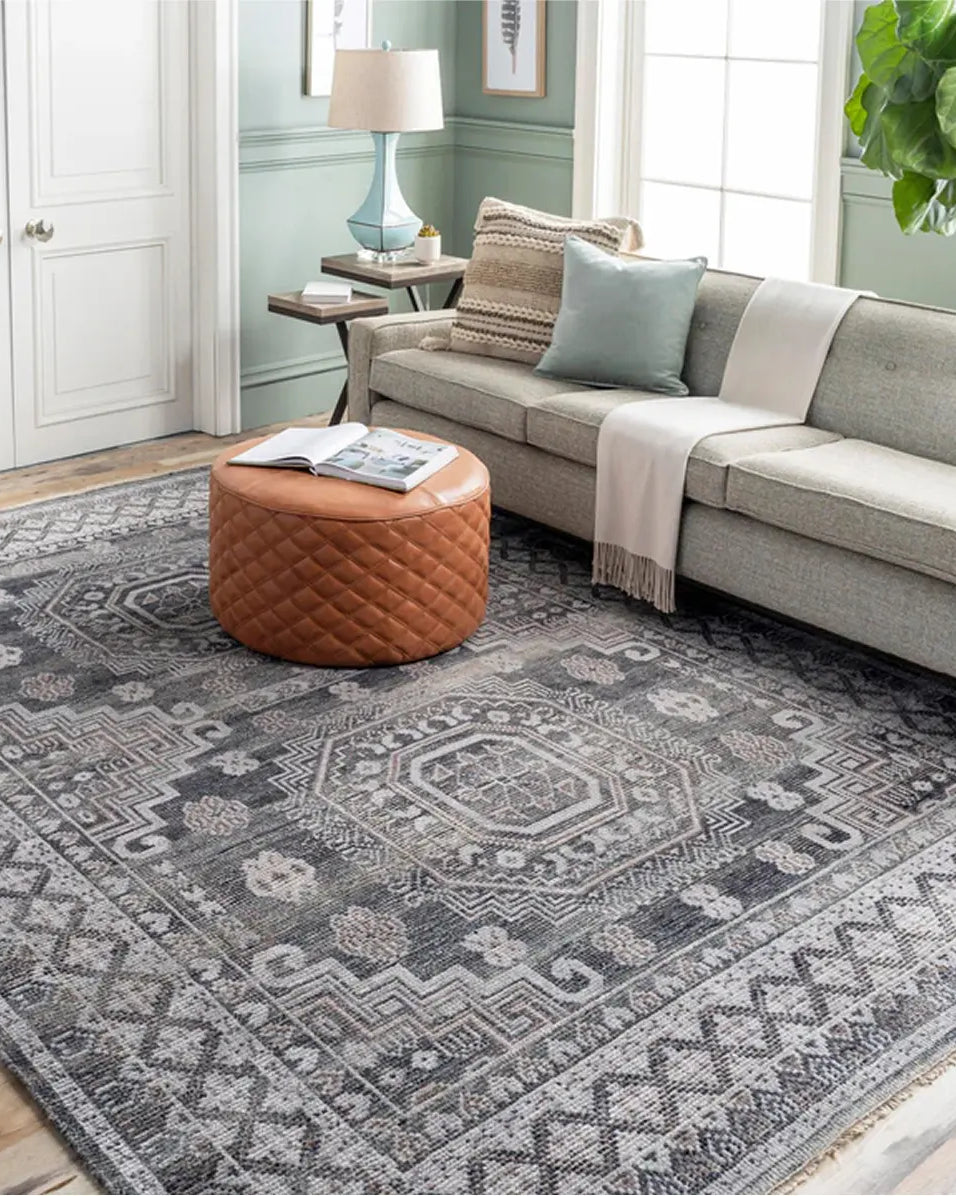
Your dining room rug is more than just a floor covering; it’s a centerpiece that ties the entire room together. Think of it as the anchor for your design style. Whether your home is sleek and modern, cozy and traditional, or has an eclectic vibe, the right area rug can define the space and reflect your personality. The key is to choose a rug that not only fits your table and chairs but also complements your existing decor.
Don’t be afraid to let the rug guide your design choices. It can introduce a new color palette, add much-needed texture, or provide a pattern that brings a quiet room to life. By considering your overall aesthetic from the start, you can select a piece that feels intentional and cohesive. Let’s walk through how to match a rug to some of the most popular decorating styles, so you can find the perfect foundation for your dining room.
Styling a Modern Dining Room
Modern design is all about clean lines, simple forms, and a neutral color palette. In a space like this, your rug has a special job: to add warmth and personality without creating clutter. A geometric pattern can introduce visual interest while honoring the sharp angles of modern furniture. Alternatively, a high-pile, solid-colored rug in a bold shade can serve as a focal point and a pop of color. The goal is to choose a piece that complements the minimalist aesthetic and helps you show off your personal style. It’s the perfect way to make your dining room feel both sophisticated and inviting.
Pairing Rugs with Traditional Tables
For a traditional dining room, harmony and balance are everything. The easiest way to achieve this is by matching the shape of your rug to the shape of your table. This classic design rule is popular for a reason—it just works. A rectangular table looks best centered on a rectangular rug, while a round table feels most at home on a round or square one. This simple guidance helps ensure the rug enhances the layout and creates a sense of symmetry. Look for classic patterns like oriental, floral, or bordered designs to complete the timeless and elegant feel of your space.
Completing a Rustic or Industrial Look
Rustic and industrial styles celebrate raw materials and texture. To complement exposed brick, reclaimed wood, or metal accents, you need a rug that feels just as authentic. Natural fiber rugs made from jute, sisal, or wool are fantastic choices. These materials add a big dose of texture and organic warmth, softening the harder edges often found in these aesthetics. A low-pile, distressed-look oriental rug can also work beautifully, adding a touch of vintage character that feels right at home. The key is to choose something that feels grounded, durable, and effortlessly stylish.
How to Coordinate Colors
Choosing a color palette can feel intimidating, but a simple strategy can make it easy. If you already have a standout piece in your dining room, like vibrant chairs or dramatic curtains, let that be your guide. A great approach is to pick one bold item and select a rug that pulls in a secondary color from its pattern. On the other hand, if your room is mostly neutral, let the rug be the star. A colorful rug can set the tone for the entire space, giving you a built-in palette for wall art and other decor.
Balance Patterns and Textures
A truly interesting room feels collected over time, not matched perfectly. Don’t be afraid to mix patterns and textures to create a layered, dynamic look. If your walls have a busy wallpaper, a rug with a subtle texture or a large-scale, simple pattern will create balance. Conversely, if your furniture and walls are all solid colors, a bold, patterned rug can bring the whole room to life. It’s more than okay to mix different art styles and furniture periods; a well-chosen rug can be the element that ties all your unique pieces together.
Key Features of a Great Dining Room Rug
Once you’ve settled on the right size, material, and style, a few final details will separate a good dining room rug from a great one. These features focus on practicality and longevity, ensuring your new rug can handle the daily demands of meal times. Think of these as the non-negotiables for a rug that will look beautiful and perform well for years to come. Paying attention to these specifics will save you from future headaches and make your dining space more functional and enjoyable for everyone.
Choose the Right Pile Height
The pile height refers to the thickness or length of the rug's fibers. For a dining room, your best bet is always a flatweave or low-pile rug. Why? It all comes down to function. You and your guests need to be able to slide chairs in and out from the table without feeling like you’re off-roading. High-pile or shag rugs will grab onto chair legs, making movement difficult and causing the rug to bunch up. Plus, low-pile area rugs are significantly easier to clean, as crumbs and spills will sit on the surface instead of getting lost in a sea of fibers.
The Importance of a Non-Slip Backing
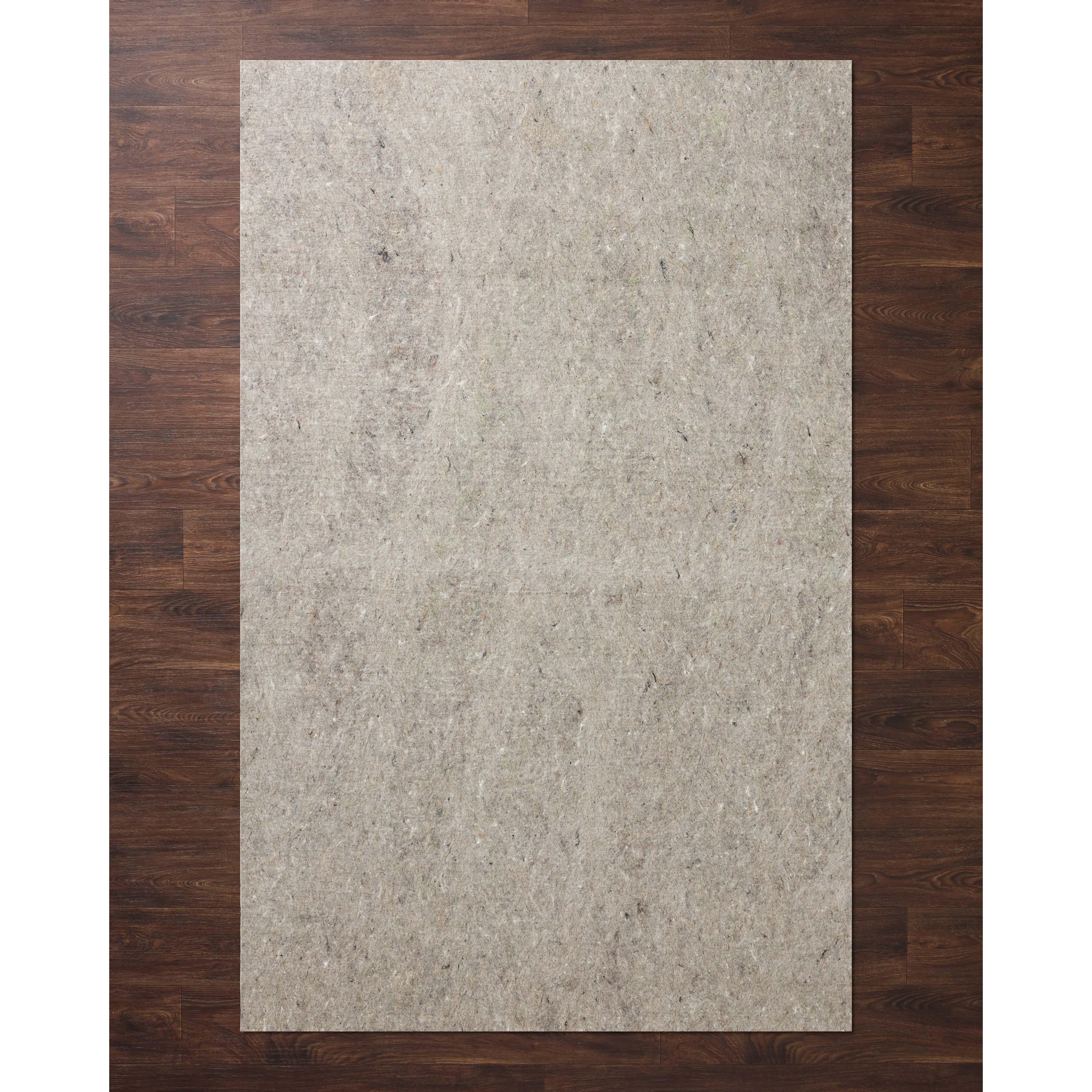
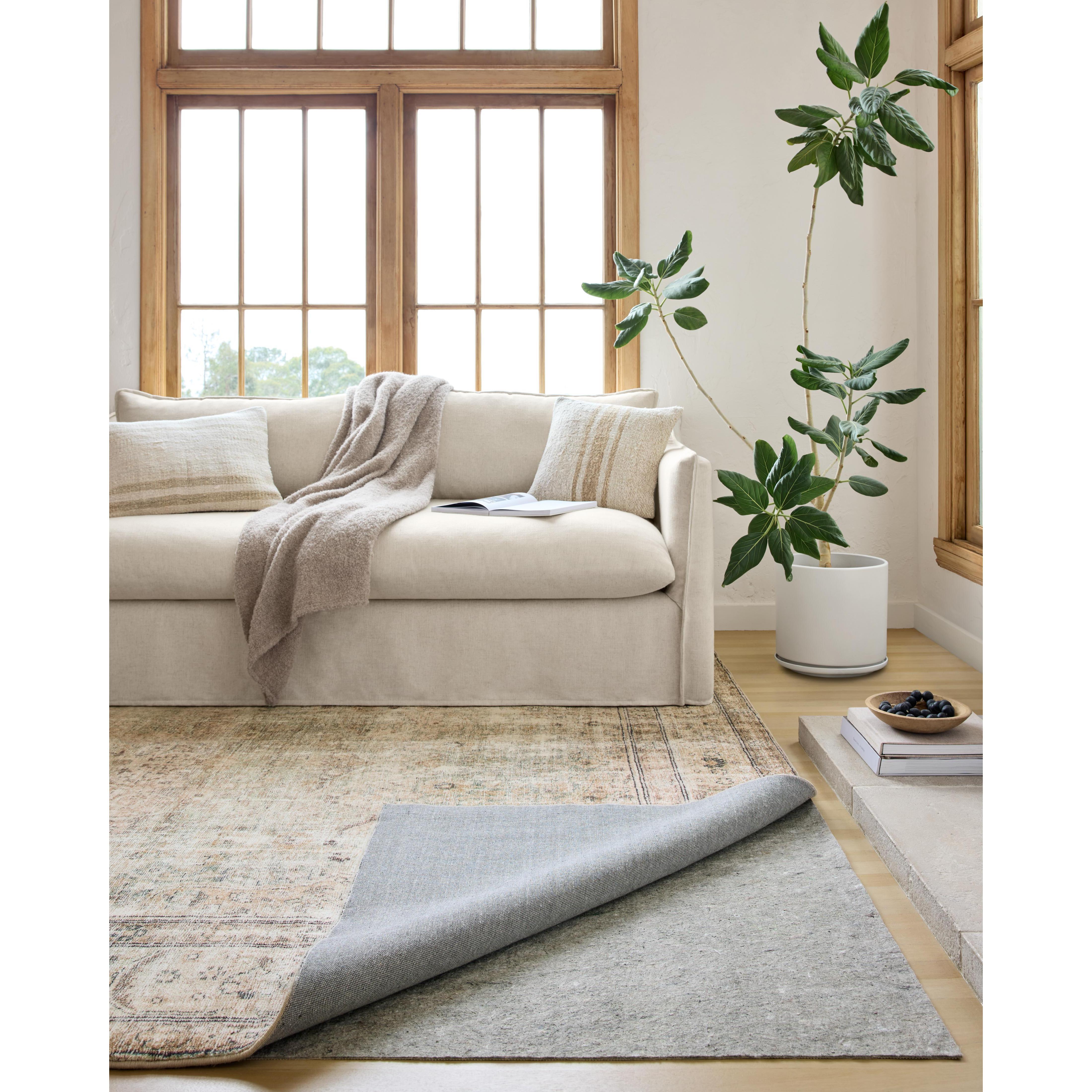
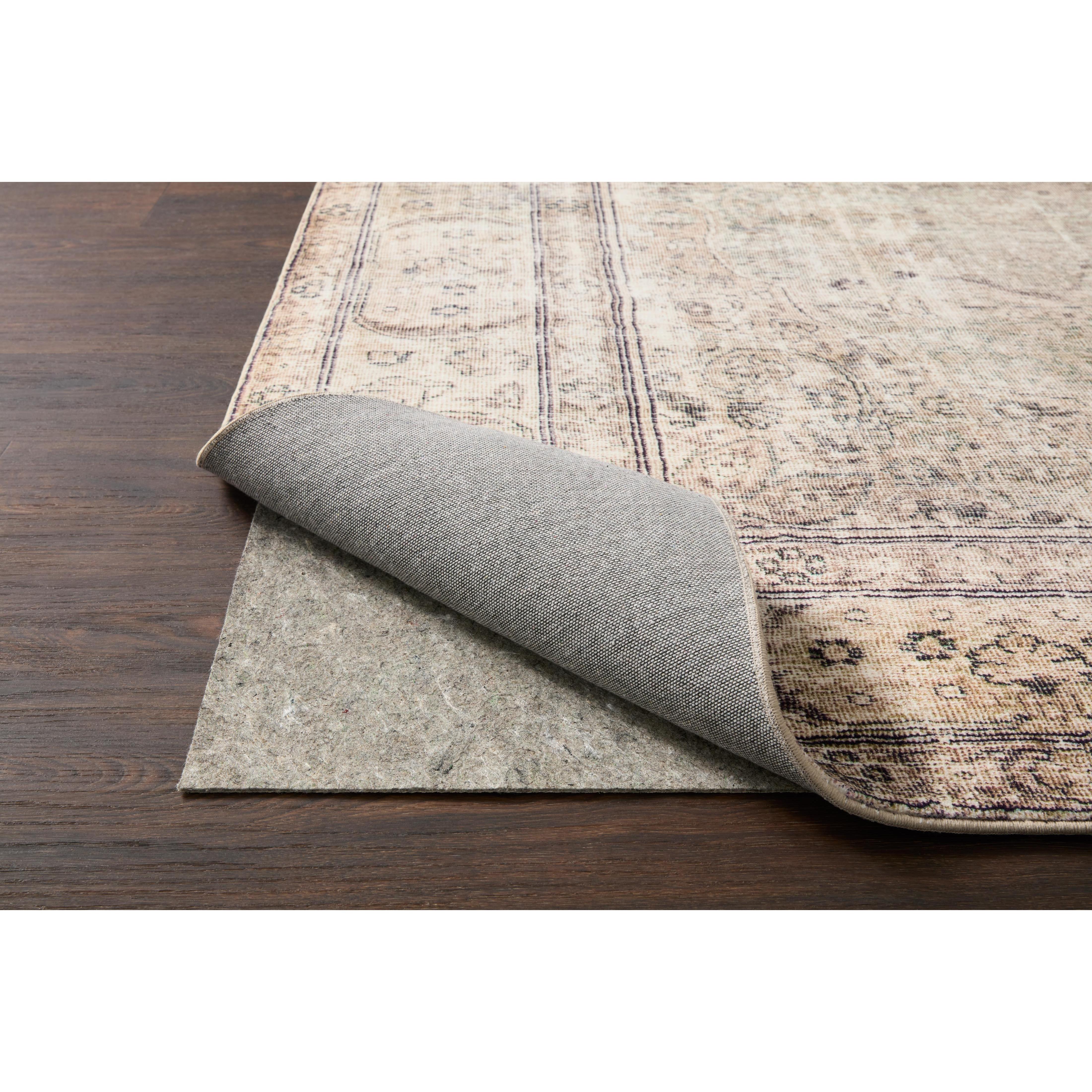
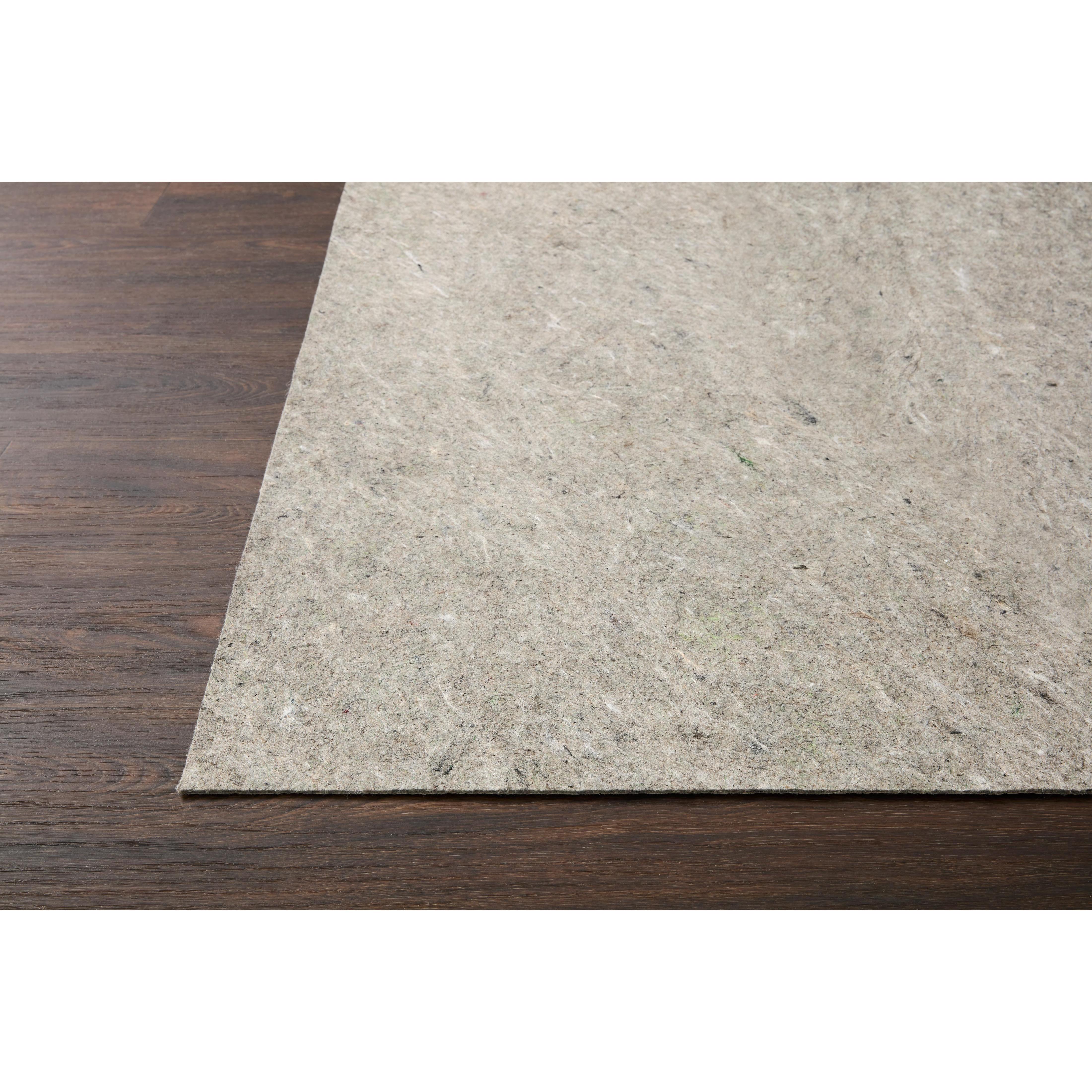
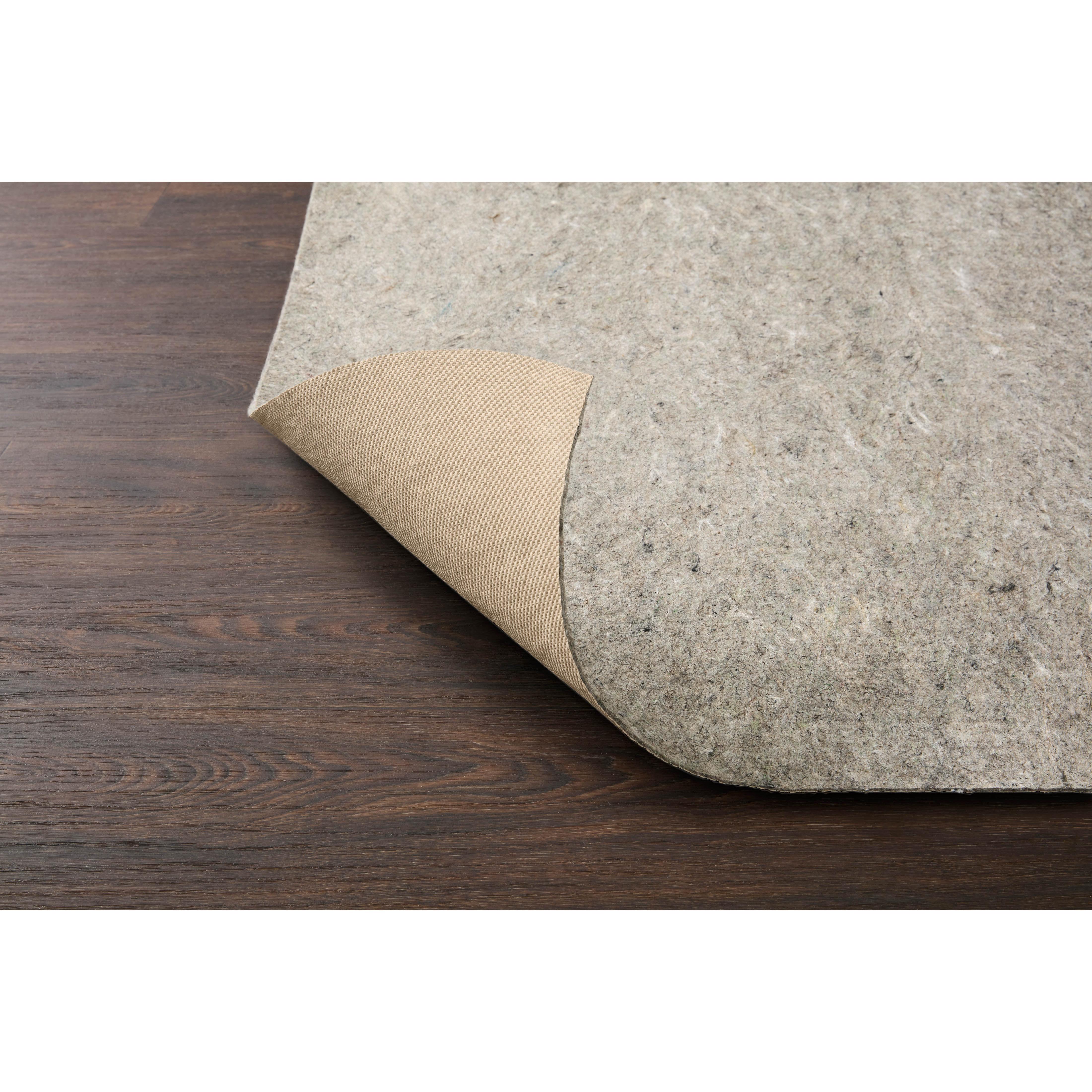
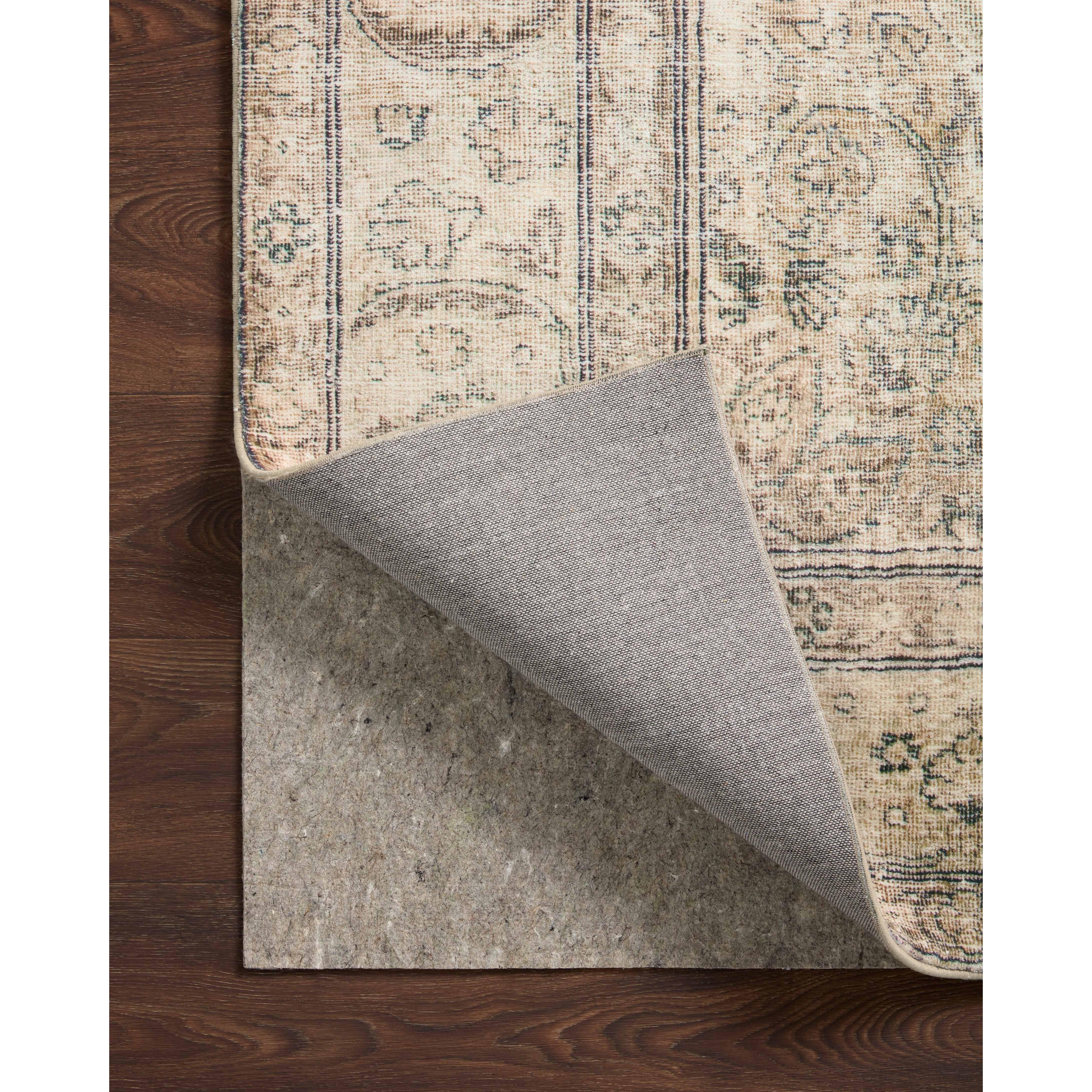
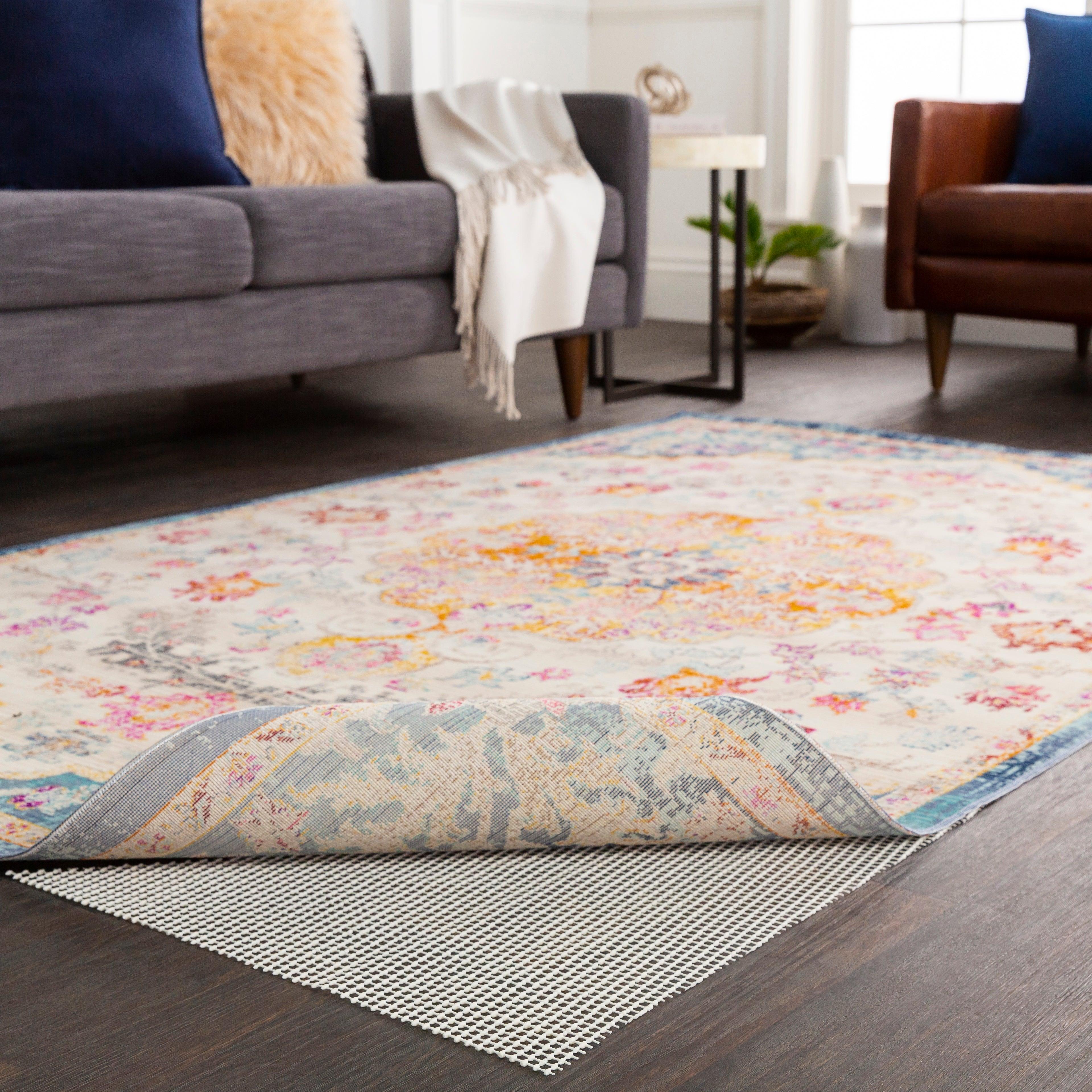
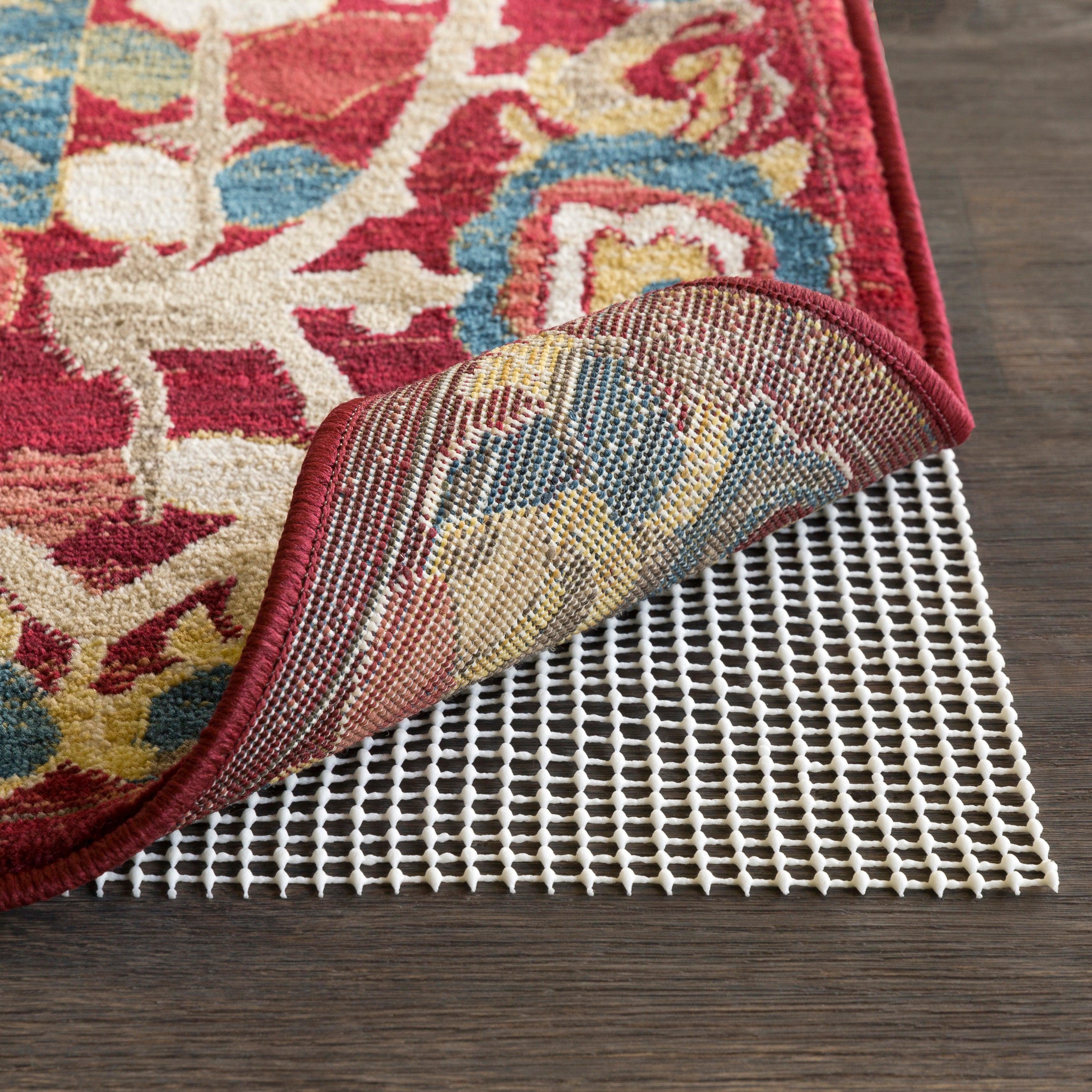
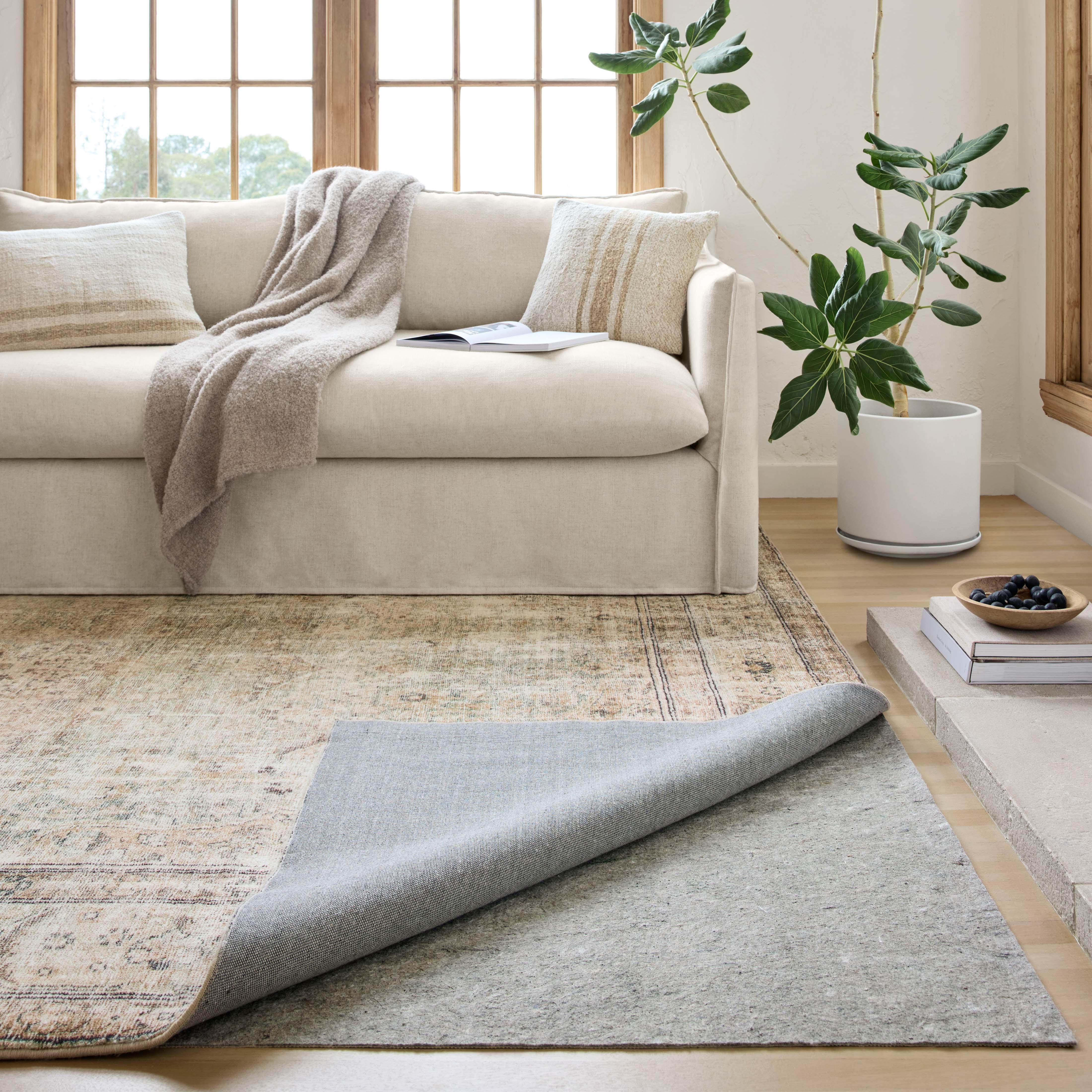
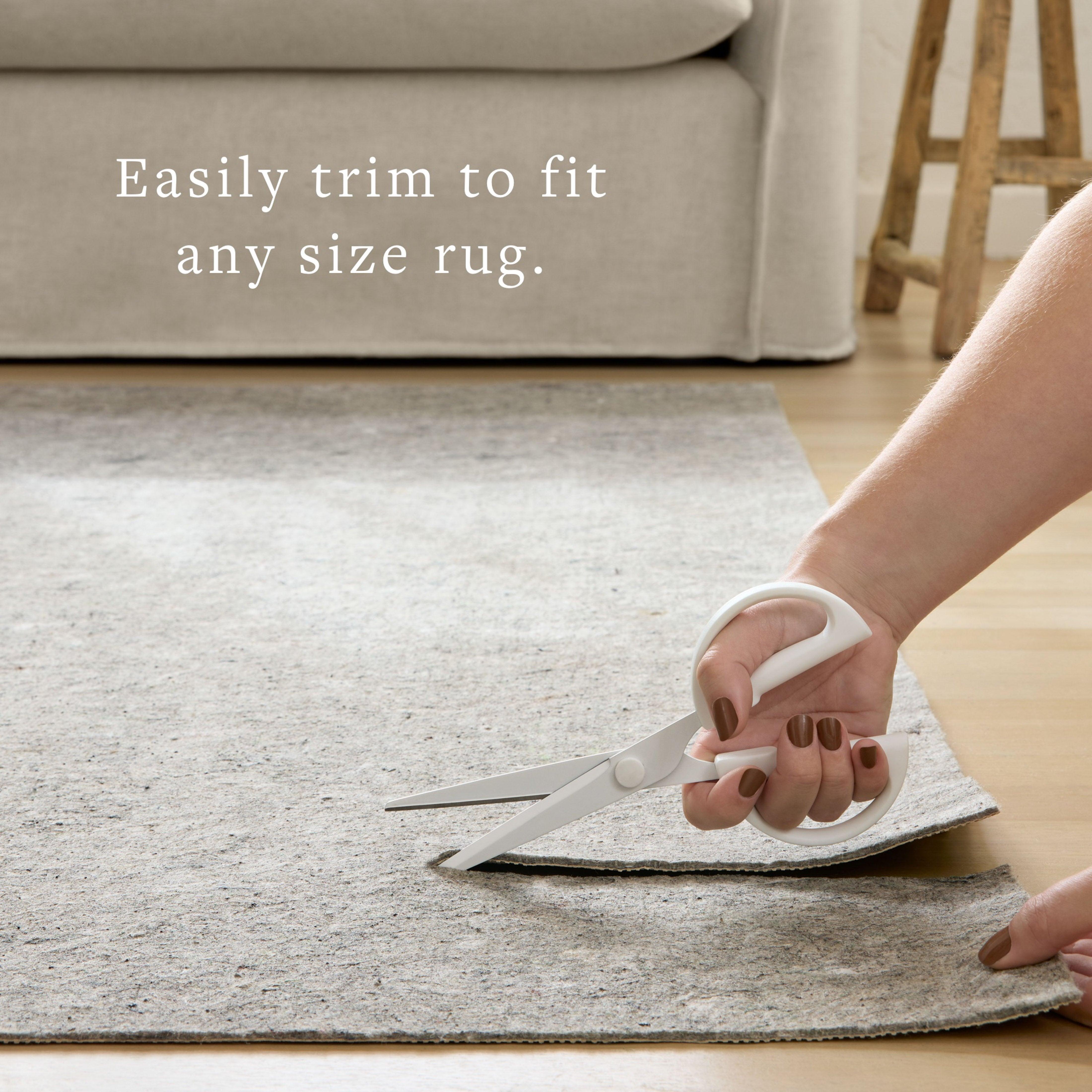
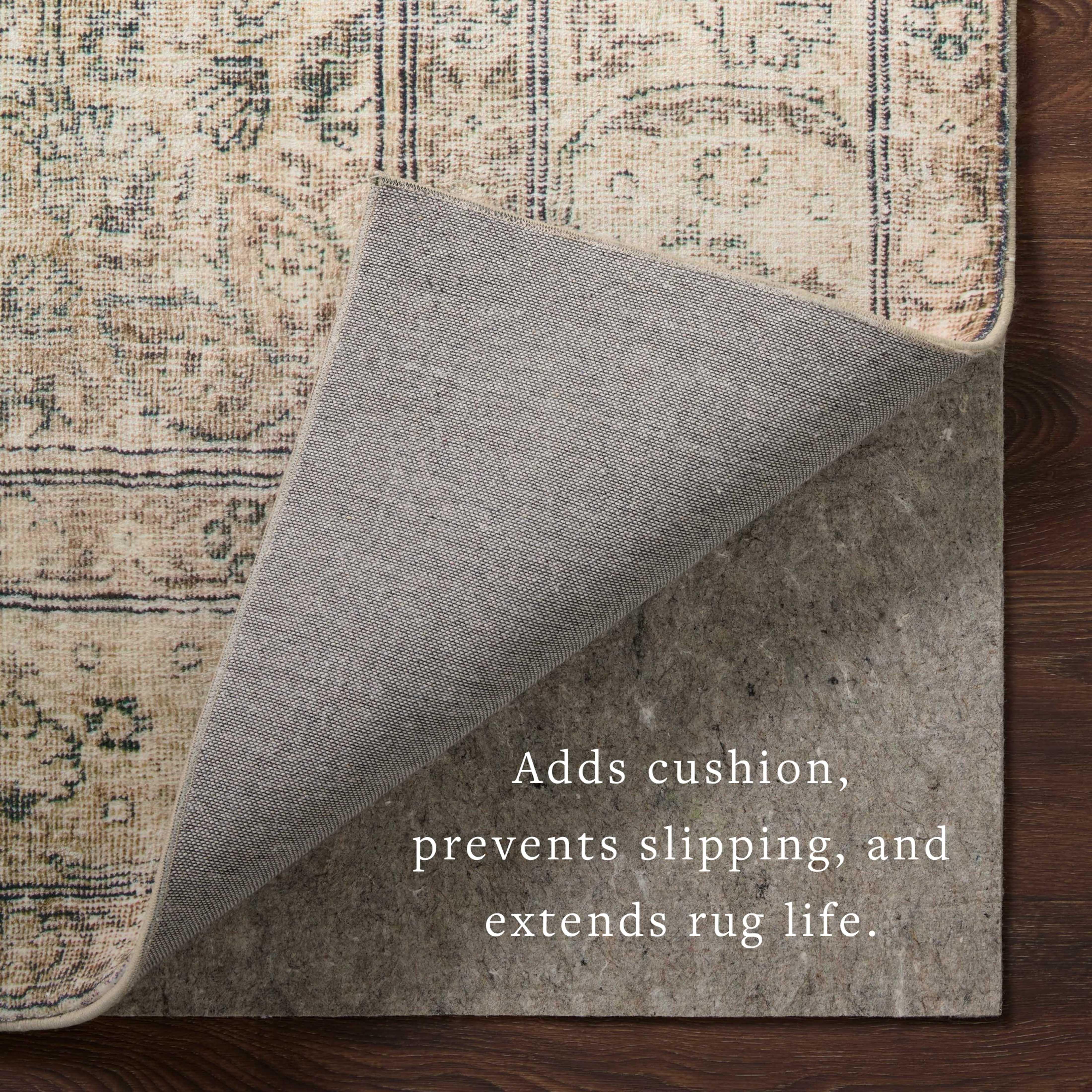
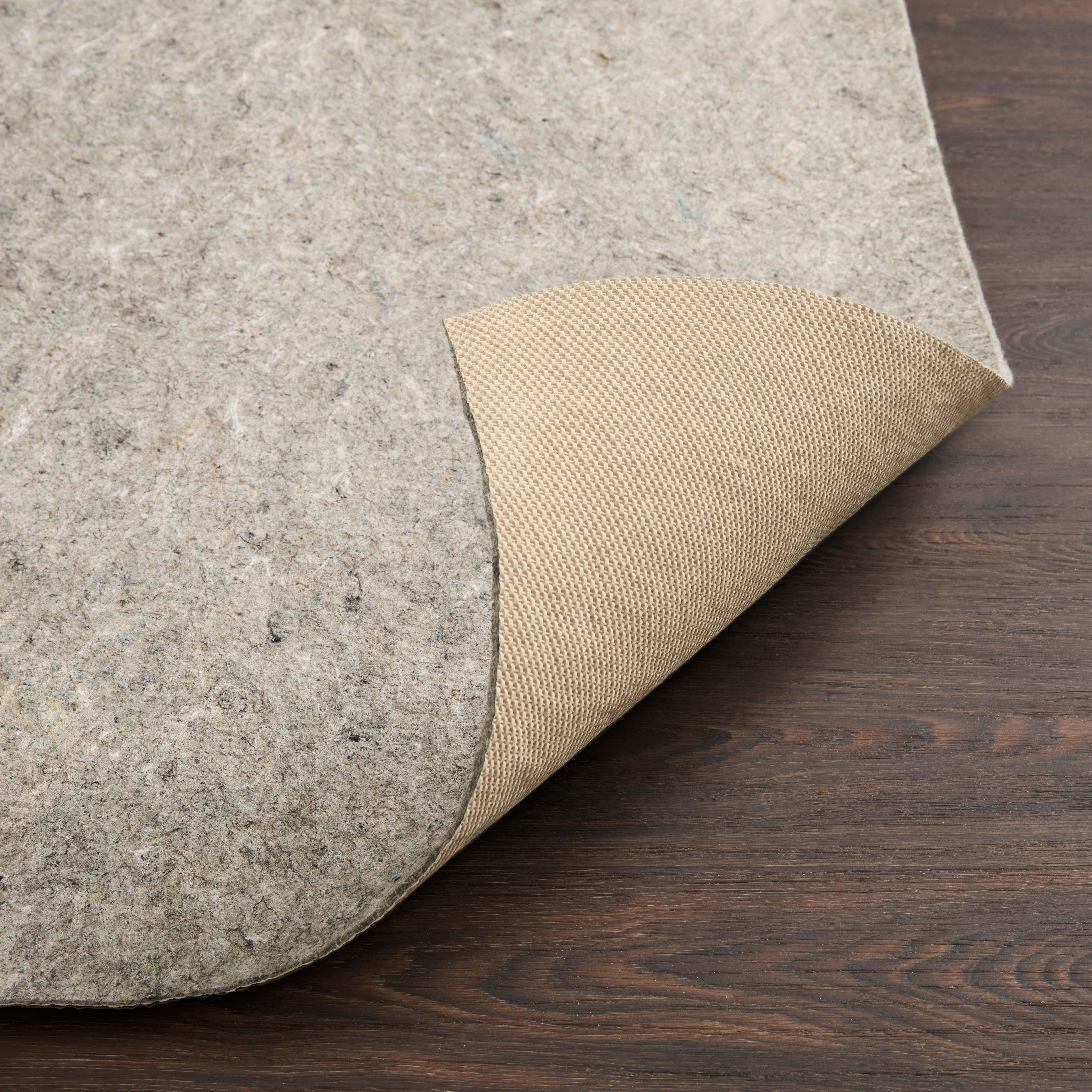
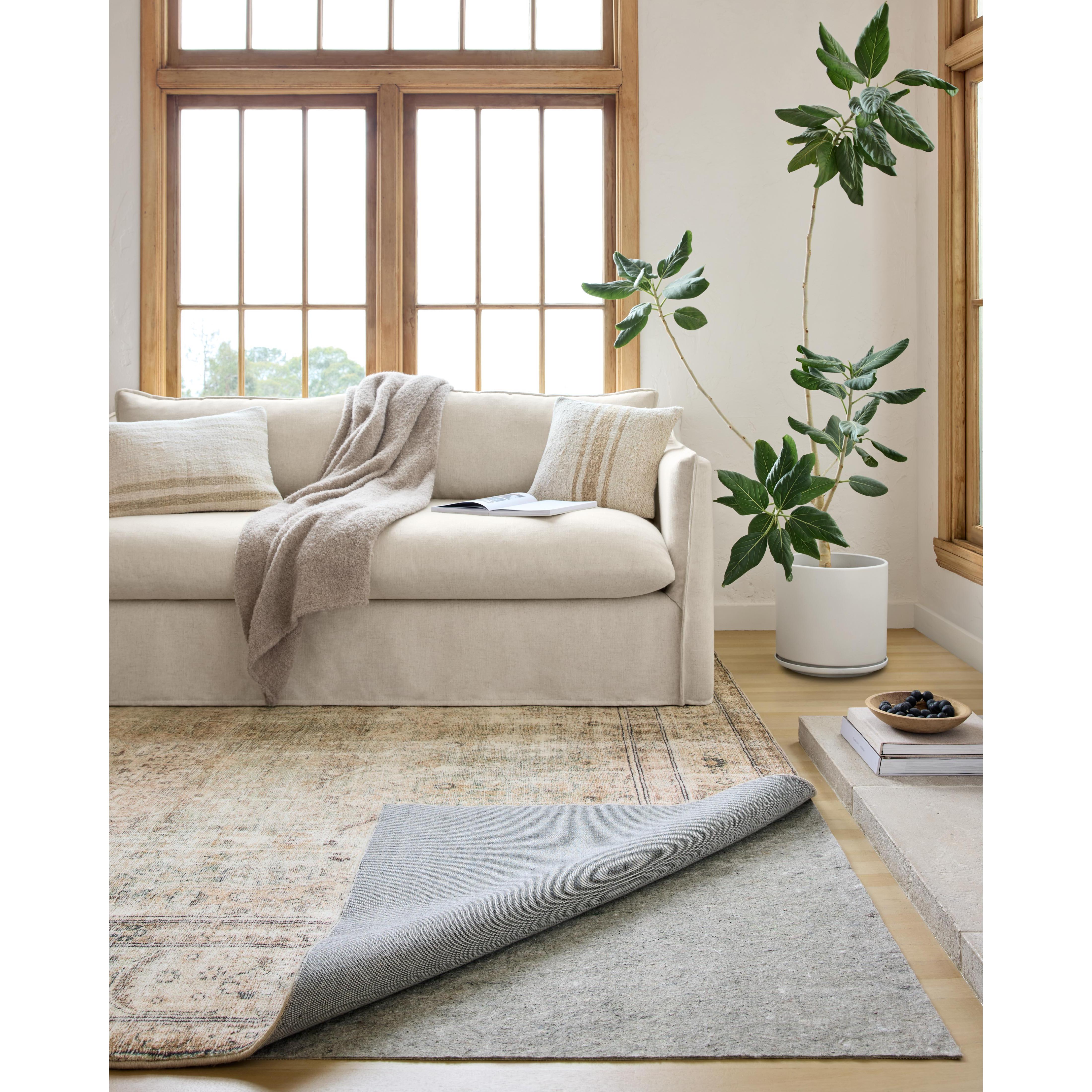
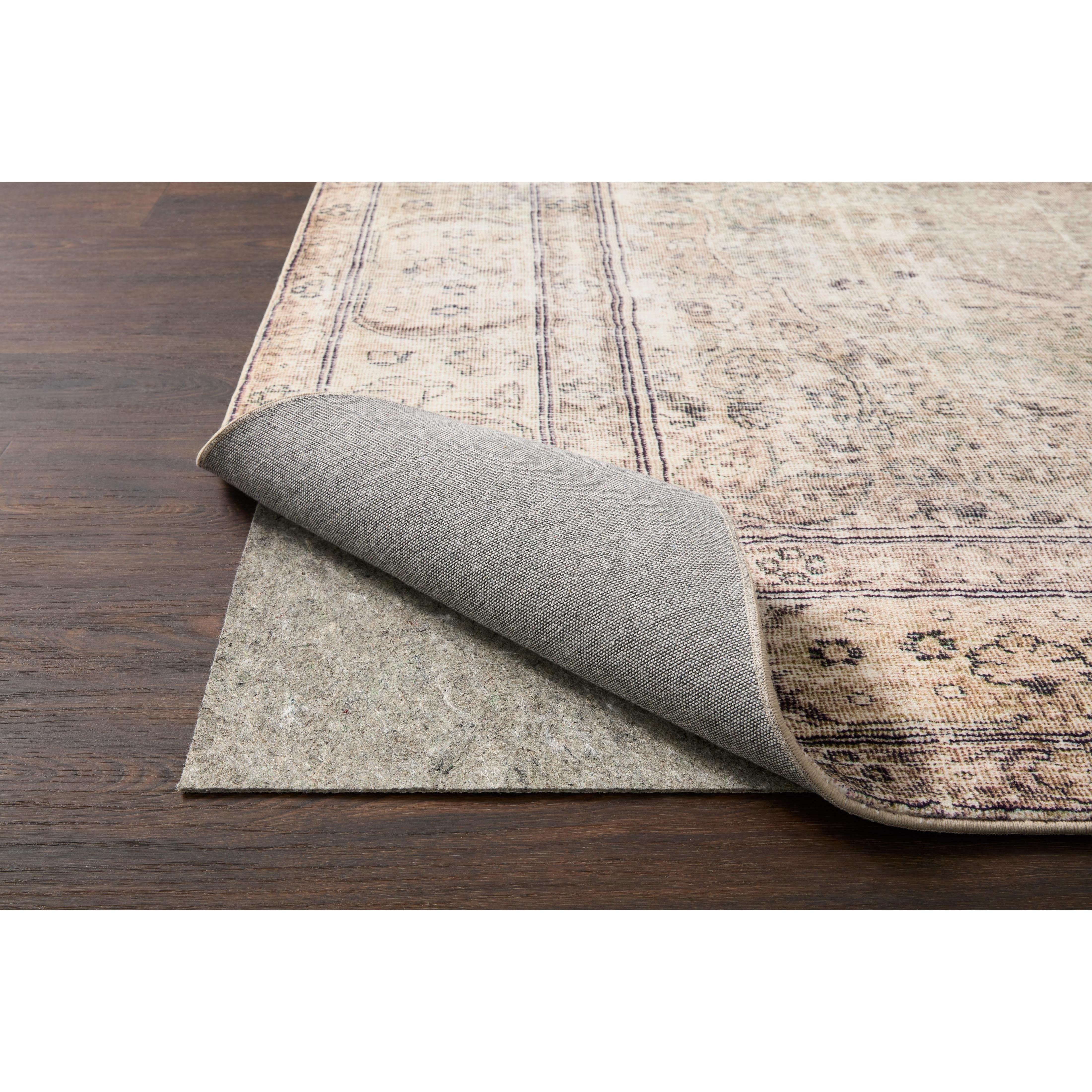
A dining room rug that shifts and slides is more than just an annoyance—it’s a tripping hazard. With people constantly moving chairs and walking around the table, you need your rug to stay put. Some rugs come with a built-in non-slip backing, but most don’t. The simple solution is to invest in a quality rug pad. A good pad will grip both the rug and your floor, keeping everything securely in place. It also adds a touch of extra cushioning underfoot and protects your floors from scratches, making it a small investment with a big payoff.
Check the Edge Finishing
Take a close look at the edges of any rug you’re considering. The way the edges are finished—a detail known as serging or binding—is a major indicator of its quality and durability. In a dining room, the edges of the rug will see a lot of action from chair legs sliding back and forth. A rug with loose, frayed, or unevenly stitched edges will start to unravel quickly under this stress. Look for a tight, secure, and consistent stitch along the entire perimeter. This small detail signals strong craftsmanship and ensures your rug will hold its shape.
Think About Cleanability
Let’s be realistic: spills are going to happen in the dining room. Whether it’s a tipped glass of wine or a forkful of spaghetti that goes astray, you need a rug that can handle the cleanup. When shopping, prioritize materials known for their stain resistance, like wool or synthetics such as polypropylene. Even better, consider a rug that’s designed for easy cleaning. Many modern washable rugs are a fantastic option for dining spaces, allowing you to simply toss them in the washing machine. No matter what material you choose, the key is to act fast and clean up spills immediately to prevent them from setting.
Your Smart Shopping Checklist
Shopping for a rug online should be exciting, not overwhelming. With so many options out there, it helps to have a clear plan. Think of this as your personal checklist for finding a dining room rug you’ll love for years to come. By focusing on quality, price, brand reputation, and store policies, you can make a confident choice that fits your home and your budget perfectly. Let’s walk through the key things to look for before you add that beautiful rug to your cart.
How to Spot a High-Quality Rug
A high-quality rug is about more than just a pretty pattern; it’s about construction and materials that can handle real life. For a dining room, look for a flatwoven or low-pile rug. This style makes it incredibly easy to slide chairs back and forth without snagging and simplifies cleanup after meals. When it comes to materials, natural fibers like wool, jute, and cotton are fantastic choices because they’re durable and often clean up well. If you have a busy household with kids or pets, consider a washable rug for ultimate peace of mind. A well-made rug will have consistent weaving and finished edges that don’t look like they’ll unravel.
What to Expect at Different Price Points
Rug prices can vary widely, and it’s helpful to know what factors into the cost. The final price tag is usually determined by the material, size, and how the rug was made. For example, a large, hand-knotted wool rug will be a significant investment, while a machine-made synthetic rug is often much more budget-friendly. Don’t assume a higher price always means better quality for your specific needs. A durable, easy-to-clean polypropylene rug might be a smarter, more affordable choice for a high-traffic dining area than a delicate silk one. Set a realistic budget and focus on finding the best value and material for your lifestyle within that range.
Explore Trusted Brands
When you’re investing in a piece for your home, it’s smart to stick with brands known for their quality and craftsmanship. Reputable brands have a track record of producing durable, stylish rugs and stand behind their products. At The Rug District, we’ve curated a collection from some of the best names in the industry, like Safavieh, Surya, and Loloi, so you can shop with confidence. Buying from a trusted brand often means you’re getting a rug made with better materials and more attention to detail, ensuring it will look great in your dining room for a long time.
Understand the Warranty and Return Policy
Before you fall in love with a rug, take a moment to check the store’s shipping and return policies. A transparent and fair policy is a great sign that you’re buying from a reputable company. Look for details like free shipping, which can save you a significant amount, especially on larger area rugs. Also, check the length of the return window and whether there are any fees for sending a rug back if it doesn’t work in your space. Knowing you have a hassle-free way to return an item gives you the freedom to see how the rug truly looks and feels in your home.
How to Place and Care for Your New Rug
Once you’ve found the perfect rug, the final steps are placing it correctly and knowing how to keep it looking its best. Proper placement ensures your dining area looks balanced and functions smoothly, while a simple care routine will protect your investment for years to come. Think of it as the finishing touch that brings the whole room together. Let’s walk through how to get it just right.
Position Your Rug Correctly
One of the most common mistakes in a dining room is choosing a rug that’s too small, which can make the entire space feel awkward and unfinished. To avoid this, here’s a simple trick: pull the dining chairs out from the table as if you were about to sit down. Your rug should extend beyond the chairs in this position. A great rule of thumb is to measure your table, add at least 24 inches on all sides, and use that as your minimum rug size. This ensures your beautiful new area rug perfectly frames your dining set.
Adjust for Different Seating Setups
The main goal of proper sizing is to have all chair legs remain on the rug, even when they’re pulled out for seating. This isn't just about looks; it prevents chairs from catching on the edge of the rug, which can be annoying for guests and cause premature wear on your rug. This rule applies whether you have a round, square, or rectangular table. A well-placed rug creates a stable and cohesive foundation for your entire dining arrangement, making every meal feel more comfortable and intentional.
Your Go-To Cleaning Guide
Keeping your dining room rug fresh doesn't have to be a chore. Regular vacuuming is your first line of defense against dust and crumbs. For best results, use a suction-only setting or raise the beater bar to avoid pulling at the fibers. It’s also a good idea to rotate your rug every six months to a year. This ensures it wears evenly and prevents any one area from fading in the sun. For busy households, consider one of the many stylish washable rugs available, which make cleanup incredibly simple.
How to Handle Spills (Because They Will Happen)
In a dining room, spills are inevitable. The key is to act fast. As soon as a spill happens, grab a clean, dry cloth and gently blot the area. Whatever you do, don't rub! Rubbing can push the liquid deeper into the rug fibers and cause the stain to spread. Start from the outside of the spill and work your way in to contain it. Addressing spills immediately is the best way to prevent a permanent stain, keeping your rug looking pristine no matter how many dinner parties you host.
Avoid These Common Dining Room Rug Mistakes
Picking out a new rug is exciting, but a few common missteps can turn your design dream into a decorating headache. The good news is that they’re all easy to avoid once you know what to look for. From size slip-ups to maintenance oversights, let’s walk through the most frequent mistakes so you can choose your dining room rug with total confidence and love the result for years to come.
Getting the Size Wrong
This is hands-down the most common mistake people make. A rug that’s too small for your dining set will make the entire room feel cramped and unfinished. The key is to remember that the rug needs to be large enough to accommodate your chairs even when they’re pulled away from the table. When someone scoots their chair back to stand up, the chair legs should remain completely on the rug. A floating dining set on a tiny rug island is an awkward look we want to avoid. Always measure your table and add at least 24 inches on all sides to find your minimum rug size. This simple rule ensures your space looks balanced and functions beautifully.
Choosing an Impractical Material
A dining room is a high-traffic, high-spill zone. While a delicate silk or high-pile shag rug might look stunning, it’s just not practical for this space. Materials like jute and sisal add incredible texture, but they can be tough to clean and may not stand up to constant chair movement. Instead, look for durable, easy-to-clean options. Wool is a fantastic choice because it’s naturally stain-resistant and resilient. For busy families or anyone who loves to host, a washable rug is a total game-changer, offering style without the stress. Prioritizing function here will save you a lot of frustration later.
Clashing with Your Room's Style
Your new rug should feel like a natural part of your dining room, not an afterthought. A common error is choosing a rug that competes with your existing decor instead of complementing it. If your dining room already has bold wallpaper or patterned curtains, a simple, more neutral rug might be the perfect anchor. On the other hand, if your furniture and walls are understated, a rug with a vibrant pattern or rich color can add a much-needed dose of personality. The goal is harmony. Look for area rugs that pick up on an accent color from your artwork or upholstery to create a cohesive, professionally styled look.
Forgetting About Maintenance
Let’s be real: spills are going to happen. Choosing a rug without considering its upkeep is a recipe for regret. Lighter-colored rugs in solid shades will show every crumb and drop of wine, while darker colors and intricate patterns are much more forgiving. Before you buy, think about what your cleaning routine will look like. Can it be spot-cleaned easily? Does it require professional cleaning? Regular vacuuming is a must to prevent dirt from getting ground into the fibers. When spills do occur, always blot them immediately with a clean cloth—never rub, as that can push the stain deeper and damage the rug.
Frequently Asked Questions
What's the best rug material for a dining room with kids or pets? For a home full of life, you need a rug that can handle spills and messes without any stress. I always recommend synthetic fibers like polypropylene because they are designed for durability and are incredibly easy to clean. Even better, consider a washable rug. They offer fantastic style and give you the peace of mind that comes with knowing you can just toss it in the washing machine after a particularly messy meal.
Do I really need a rug pad under my dining room rug? Yes, absolutely. A rug pad is a small investment that does two very important jobs. First, it keeps the rug from shifting or bunching up, which is a safety essential when you’re constantly moving chairs. Second, it adds a layer of protection between the rug and your floor, preventing scratches while also extending the life of your rug by absorbing some of the impact from foot traffic.
Can I layer a rug over the carpet in my dining room? You can, but you have to be strategic about it. The key is to choose a low-pile rug so that your dining chairs can still slide easily. A thick, high-pile rug on top of carpet will cause chairs to snag and feel unstable. You’ll also want to use a special rug pad designed for layering on carpet to help keep the rug from wrinkling and creeping across the room.
My dining space is small. Will a rug make it feel more cramped? It’s a common concern, but a properly sized rug will actually do the opposite. By placing a rug under your table and chairs, you create a defined zone that makes the dining area feel more intentional and organized, not smaller. It visually anchors the furniture, which can make the entire room feel more cohesive. If you're worried, stick with a lighter color or a simple pattern to keep the space feeling open and bright.
How do I decide between a patterned or a solid-colored rug? A great way to decide is to look at what’s already happening in your room. If you have bold wallpaper, dramatic curtains, or a lot of art on the walls, a simple or solid-colored rug can provide a calm foundation for the space. If your room is more neutral with solid-colored furniture, a patterned rug is the perfect opportunity to introduce personality and set the color palette for the entire room.